
Hessian cloth, also known as burlap fabric in North America, is a coarse woven textile made from natural jute fiber. It is valued for its strength, breathability, rough texture, and biodegradable composition.
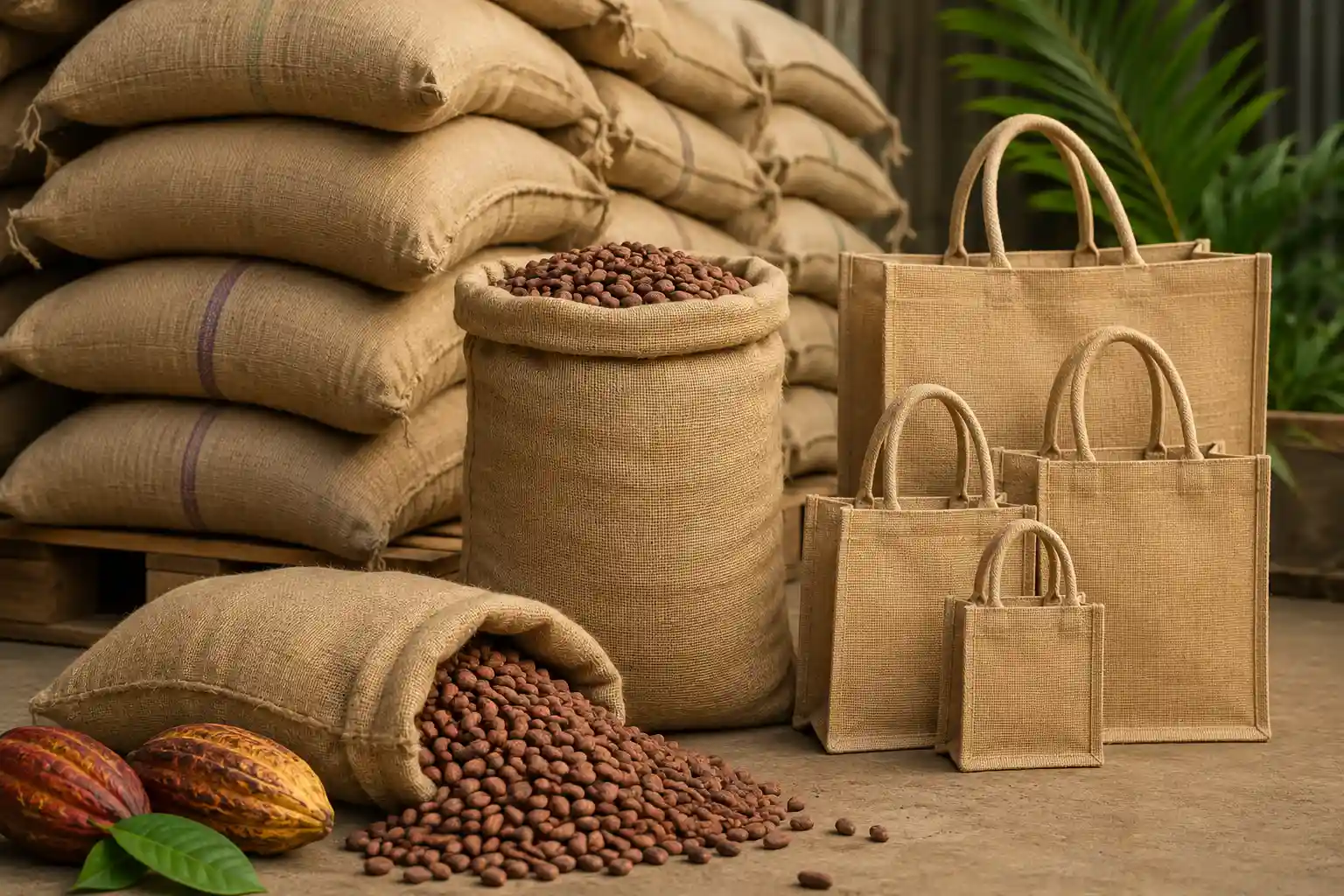
The fabric is widely used in packaging, agriculture, construction, erosion control, home décor, crafts, and sustainable product design. Its open weave allows air circulation, which makes it useful for storing and transporting agricultural goods such as coffee, grains, potatoes, and other dry products.
For buyers and product users, choosing the right hessian fabric depends on GSM, oz weight, width, weave density, treatment, finish, and final application. Lightweight burlap is suitable for crafts and décor, while heavier hessian grades are better for sacks, sandbags, industrial wrapping, and geotextile use.
This guide covers what hessian is made from, how it differs from burlap, its key characteristics, common uses, specifications, care methods, and environmental benefits.
What Is Hessian Made From?
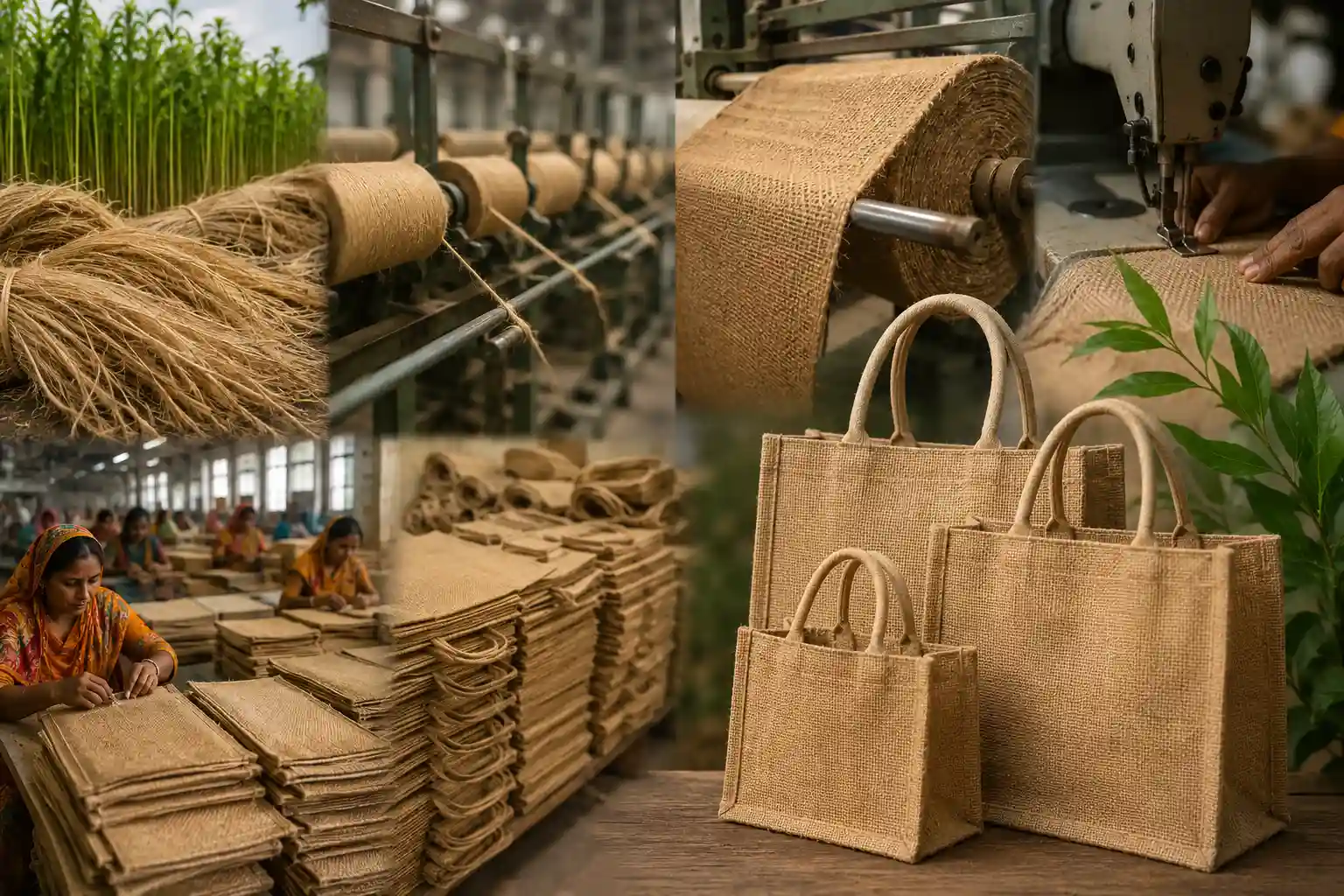
Hessian is made from jute, a natural plant fiber extracted from the outer stem and skin of the jute plant. The fiber is processed into yarn and woven into a coarse, breathable fabric known as hessian cloth or burlap fabric.
To make hessian, harvested jute stems are first soaked in water through a process called retting. This loosens the fiber from the woody stalk. The fibers are then stripped, washed, dried, softened, spun into yarn, and woven into fabric using plain, twill, or other weave structures.
Most commercial hessian cloth is made from 100% jute fiber. This gives the fabric its rough texture, high breathability, natural strength, and biodegradable properties. Depending on the end use, hessian may be supplied untreated, food-grade oil treated, dyed, printed, laminated, or finished for extra durability.
Untreated jute hessian is biodegradable and compostable, making it suitable for agricultural sacks, coffee bags, grain packaging, nursery use, erosion control, garden covers, crafts, and eco-friendly packaging.
Types of Hessian hessian/burlap fabric
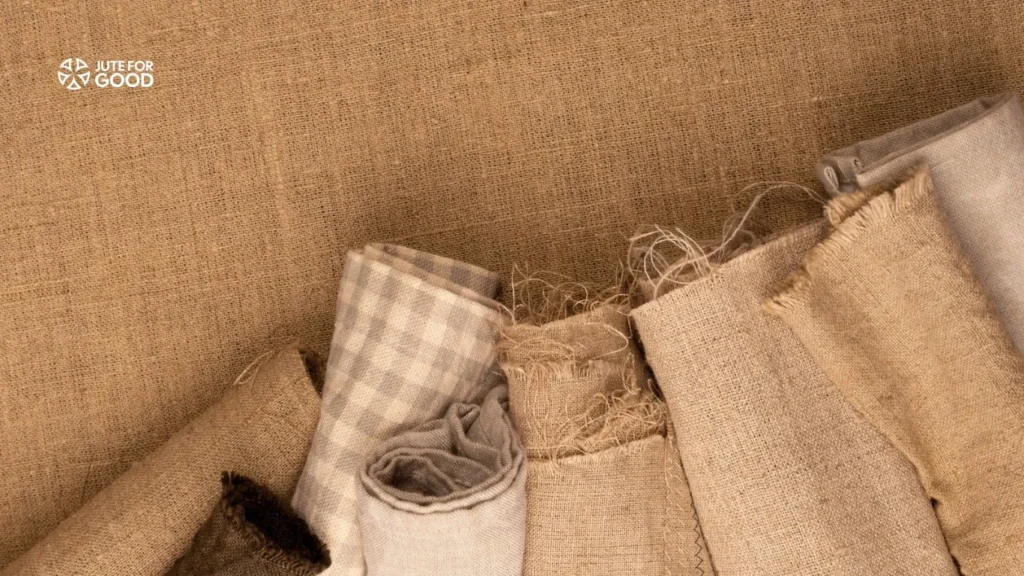
Hessian cloth, also called burlap fabric, is available in several types based on weight, weave, treatment, finish, and end use. The main types are standard hessian, food-grade hessian, decorative hessian, dyed or printed hessian, and geotextile hessian.
1. Standard Hessian Fabric
Standard hessian fabric is the most common type of burlap cloth made from coarse natural jute fiber. It has a rough texture, open weave, good breathability, and reliable handling strength.
This fabric is widely used for agricultural packaging, industrial wrapping, sandbags, sacks, plant covers, and general-purpose storage. Its breathable construction makes it suitable for potatoes, grains, coffee, cocoa, and other dry agricultural products.
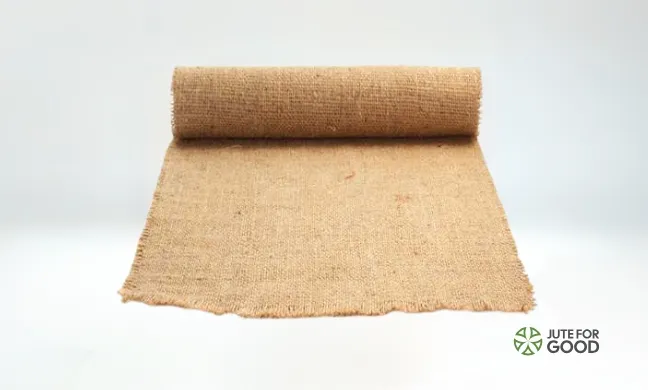
Typical specifications:
- Material: 100% natural jute fiber
- Fabric weight: Approximately 180–370 GSM
- Common weight: 7–12 oz per 40-inch width
- Width: 8–72 inches or buyer-specified
- Weave: Plain open weave
- Porter and shot: Commonly 9 × 8 to 11 × 12 per 10 cm
- Color: Natural golden brown
- Finish: Untreated, mineral oil treated, or vegetable oil treated
- Selvedge: Real selvedge or tucked edge
- Packing: Rolls or hydraulic-pressed bales
- Common applications: Sacks, wrapping, sandbags, agriculture, upholstery, and packaging
2. Food-Grade Hessian Fabric
Food-grade hessian fabric is produced for packaging dry food and agricultural products such as coffee beans, grains, rice, cocoa, potatoes, and vegetables. It follows stricter processing and storage controls to reduce odor, contamination, and unwanted residues.
Buyers should confirm whether the fabric is untreated or processed with approved vegetable batching oil. Fiber purity, moisture level, smell, cleanliness, storage conditions, and hydrocarbon content should also be checked before ordering.
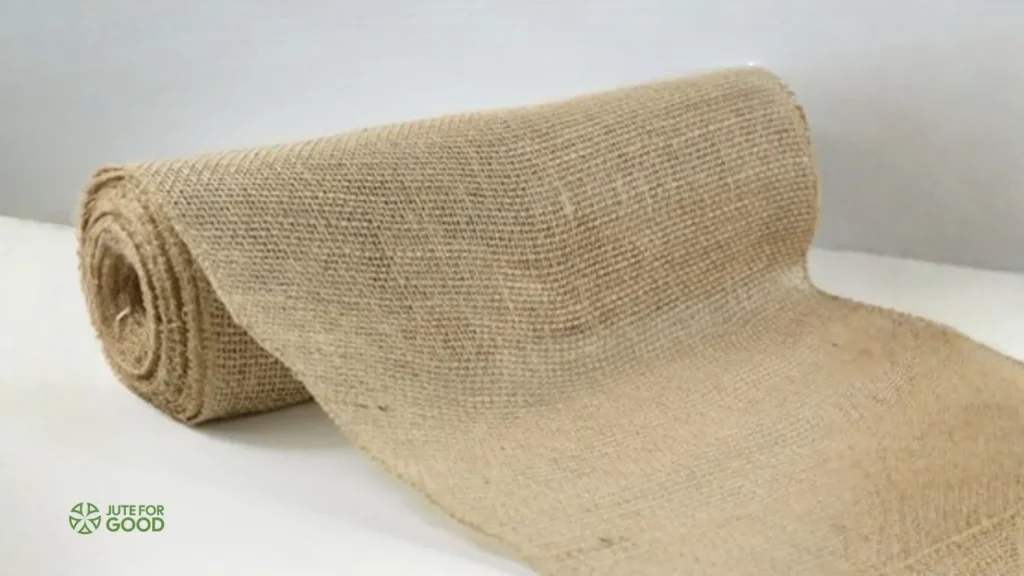
Typical specifications:
- Material: 100% natural jute fiber
- Fabric weight: Approximately 250–370 GSM
- Common weight: 8–12 oz per 40-inch width
- Width: 36–72 inches or customized
- Weave: Plain hessian weave
- Treatment: Vegetable oil treated or hydrocarbon-free
- Oil requirement: Food-grade batching oil
- Color: Natural jute
- Odor: Low-odor or odor-free requirement
- Moisture content: Buyer-specified, commonly controlled within an approved limit
- Testing options: Hydrocarbon, moisture, odor, and fiber-purity testing
- Packing: Clean export rolls or compressed bales
- Common applications: Coffee, cocoa, grains, rice, potatoes, and dry food packaging
3. Decorative and Dyed Hessian Fabric
Decorative hessian fabric is a finer, cleaner, or softer burlap material used for crafts, home décor, event decoration, and retail packaging. It can be supplied in natural brown, dyed colors, printed designs, ribbons, rolls, or custom-cut pieces.
This fabric is commonly used for table runners, wedding décor, bows, wreaths, cushions, wall hangings, gift wrapping, candle packaging, tote bags, and rustic retail displays.
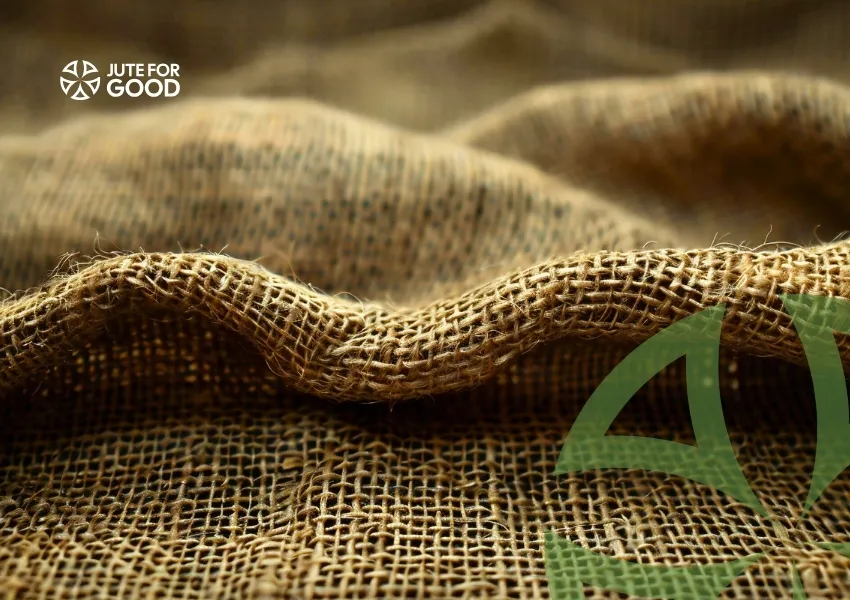
Typical specifications:
- Material: 100% jute or jute-blend fabric
- Fabric weight: Approximately 180–320 GSM
- Common weight: 5–10 oz per 40-inch width
- Width: Narrow ribbon widths up to 72 inches
- Weave: Fine plain weave or decorative open weave
- Color: Natural, bleached, dyed, or printed
- Finish: Softened, calendared, dyed, printed, or laminated
- Edge options: Raw edge, stitched edge, selvedge, or cut ribbon
- Printing: Screen printing, pigment printing, or custom logo printing
- Packing: Rolls, folded pieces, ribbons, or custom retail packs
- Common applications: Crafts, weddings, décor, gift packaging, retail displays, and tote bags
4. Geotextile Hessian Fabric
Geotextile hessian fabric is a heavier jute-based material used for erosion control, soil stabilization, slope protection, landscaping, and environmental construction. Its open structure allows air and water to pass through while helping retain soil and support vegetation growth.
This fabric is used on riverbanks, embankments, garden slopes, road projects, reforestation sites, and flood-control areas. Untreated jute geotextile gradually decomposes and can add organic matter to the soil.
Typical specifications:
- Material: 100% natural jute fiber
- Fabric weight: Approximately 250–750 GSM
- Heavy-duty options: Up to 800–900 GSM for specific applications
- Width: Up to approximately 2.5 metres or customized
- Weave: Plain, twill, open mesh, or woven geotextile construction
- Color: Natural brown
- Treatment: Usually untreated; project-specific treatment available
- Moisture content: Commonly controlled to a specified maximum
- Form: Rolls, sheets, mats, or fabricated geobags
- Packing: Roll-packed, palletized, or wrapped in hessian
- Common applications: Erosion control, riverbanks, slopes, landscaping, road construction, and soil reinforcement
5. Laminated or Treated Hessian Fabric
Laminated or treated hessian fabric is finished to provide additional performance beyond standard burlap. Depending on the end use, treatments may include lamination, water resistance, fire retardancy, UV protection, anti-rot treatment, dyeing, or oil treatment.
This fabric is suitable where buyers need improved moisture protection, outdoor durability, dimensional stability, or special safety performance. However, synthetic coatings and chemical treatments can reduce biodegradability and compostability.
Typical specifications:
- Base material: 100% jute hessian fabric
- Fabric weight: Approximately 200–400 GSM before coating
- Width: 40–72 inches or buyer-specified
- Weave: Plain or twill
- Lamination: PE, PP, BOPP, or buyer-specified coating
- Lamination thickness: Customized according to application
- Available treatments: Water-resistant, fire-retardant, UV-resistant, anti-rot, dyed, or oil treated
- Color: Natural, dyed, printed, or laminated finish
- Printing: Single-color, multicolor, or branded printing
- Packing: Rolls, sheets, fabricated bags, or pressed bales
- Common applications: Moisture-resistant packaging, outdoor covering, industrial lining, coated sacks, and protective wrapping
Final GSM, width, weave density, treatment, color, finish, and packing should be confirmed on the buyer’s approved specification sheet before bulk production.
Key Specifications of Hessian Fabric/ Burlap Fabric
Hessian fabric comes in various specifications that cater to specific needs. Below are the most important factors to consider when choosing hessian for your project:
| Specification | Description | Importance |
| Weight (oz/yard or GSM) | Common weights range from 7 oz (~215 GSM) to 10 oz (~305 GSM) for heavier applications. | Heavier fabrics offer more strength and durability, ideal for industrial use. Lighter weights are better for decorative purposes. |
| Width | Typically available in widths from 22 inches to 80 inches. | The width of the fabric determines the scope of your application, whether it’s for small-scale bags or large area coverage. |
| Weave Pattern | Weave types include plain, twill, herringbone, and other patterns, with different thread densities. | The tighter the weave, the more durable the fabric. The choice of weave also affects the fabric’s breathability and flexibility. |
| Biodegradability & Sustainability | As a natural fibre, hessian is biodegradable, making it ideal for eco-friendly applications. | Key for applications in agriculture, erosion control, and temporary packaging solutions where environmental impact is important. |
| Finish & Treatment | Hessian can be treated for added durability (e.g., water-resistant or fire-retardant). | Treatments extend the lifespan of the fabric and tailor it for specific applications like food packaging or construction. |
| Colour & Print | Available in natural brown, or dyed and printed versions for aesthetic purposes. | Dyed or printed hessian is ideal for décor and event planning, adding a decorative touch while maintaining functionality. |
Uses of Hessian Burlap Fabric
Hessian burlap fabric is used for packaging, agriculture, erosion control, construction, gardening, home décor, crafts, and sustainable industrial applications. Its strength, breathability, rough texture, and biodegradability make it suitable for both practical and decorative uses.
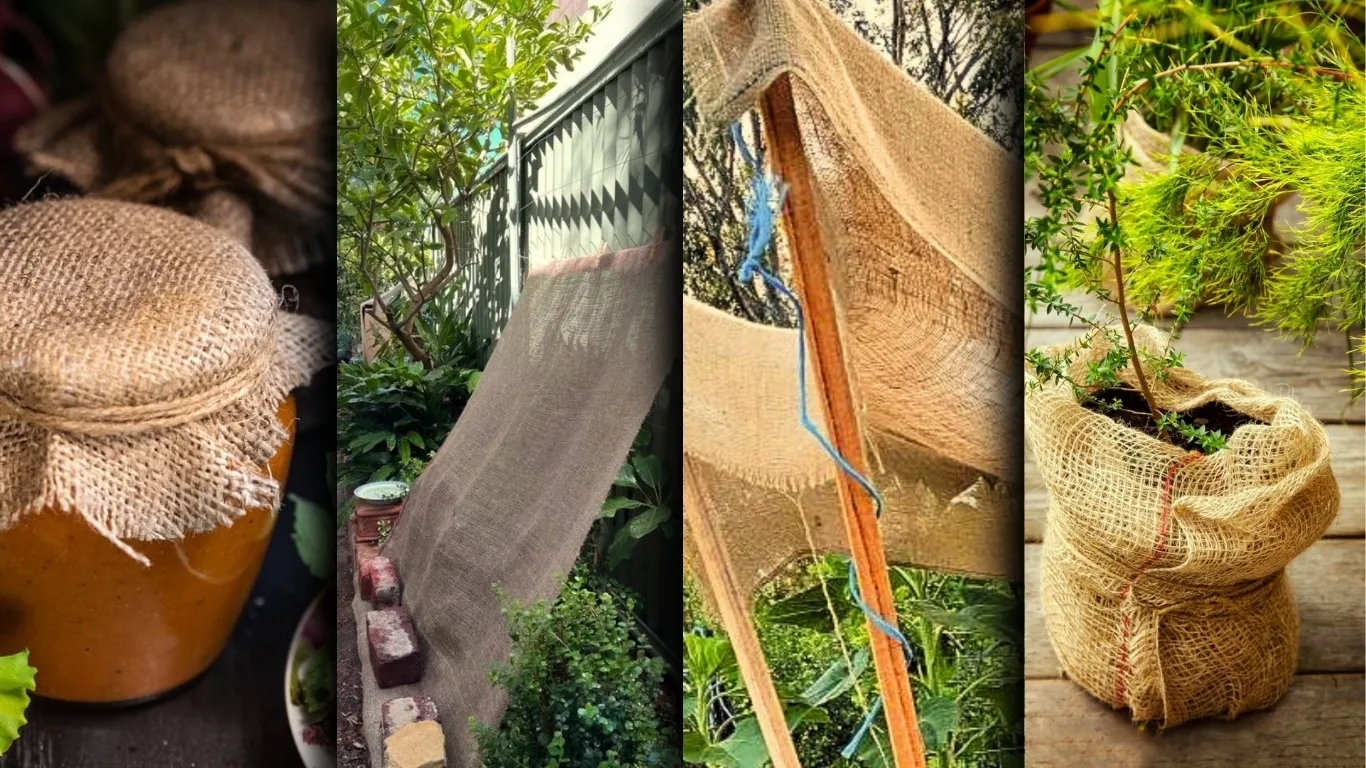
1. Packaging and Transportation
Hessian burlap fabric is widely used for packaging and transporting agricultural and industrial goods. Its open weave allows air to circulate, which helps reduce trapped moisture, condensation, and spoilage during storage and shipment.
Common packaging uses include:
- Coffee sacks
- Tea sacks
- Potato bags
- Wheat and grain bags
- Rice bags
- Cocoa sacks
- Sandbags
- Industrial wrapping
- Construction material bags
For agricultural goods such as coffee, grains, potatoes, and vegetables, breathable hessian bags help maintain airflow during transport. For industrial goods, heavier hessian grades provide better strength for carrying sand, gravel, cement, and bulk materials.
2. Agriculture and Gardening
Hessian fabric is commonly used in agriculture because it is breathable, flexible, and biodegradable. Farmers, nurseries, and gardeners use it for crop handling, plant protection, and soil management.
Common agricultural uses include:
- Gunny sacks for farm produce
- Root ball wrapping
- Nursery plant covering
- Frost protection
- Weed control
- Seed covering
- Mulch holding
- Temporary shade for young plants
In nurseries, hessian is often used to wrap tree roots because it protects the root ball during transport while allowing moisture and air movement. In gardening, burlap sheets can protect plants from frost, strong sunlight, and wind exposure.
3. Erosion Control and Flood Protection
Hessian burlap fabric is used in erosion control because it helps hold soil in place while allowing water to pass through. Since untreated jute hessian naturally decomposes, it is useful for temporary soil stabilization and environmental restoration.
Common erosion control uses include:
- Slope stabilization
- Riverbank protection
- Embankment covering
- Reforestation support
- Landscaping projects
- Soil retention mats
- Flood-control sandbags
During floods, burlap sacks filled with sand are used as temporary barriers to control water flow and protect roads, homes, farms, and construction sites. On slopes and embankments, hessian fabric helps reduce soil washout until vegetation grows.
4. Construction and Industrial Use
Hessian cloth is used in construction and industrial work for covering, wrapping, curing, and surface protection. Its durability and absorbent texture make it useful for temporary site applications.
Common construction and industrial uses include:
- Concrete curing
- Surface protection
- Temporary site covering
- Industrial lining
- Pipe wrapping
- Machinery wrapping
- Material separation
- Heavy-duty packaging
In construction, wet hessian is often used during concrete curing because it helps retain moisture on the concrete surface. For industrial packaging, thicker burlap fabric provides protection while remaining breathable and easier to handle than many synthetic coverings.
5. Décor and Crafting
Hessian and burlap fabrics are widely used in décor because of their rustic texture, natural brown color, and handmade appearance. Decorative hessian may be dyed, printed, cut into ribbons, or sewn into finished products.
Common décor and craft uses include:
- Table runners
- Wedding decorations
- Bows and ribbons
- Wreaths
- Wall hangings
- Cushion covers
- Curtains
- Gift wrapping
- Candle packaging
- Coffee and tea packaging
- Handmade bags and pouches
- Pot plant covers
Event planners, craft makers, and home décor brands use burlap fabric when they need a natural, rustic, or eco-friendly appearance. Dyed or printed hessian adds more design flexibility while keeping the visible jute texture.
6. Eco-Friendly and Sustainable Product Applications
Hessian burlap fabric is increasingly used as a sustainable alternative to synthetic packaging and plastic-based materials. Untreated hessian made from 100% jute is biodegradable and compostable, making it suitable for short-life products and soil-contact applications.
Common sustainable uses include:
- Biodegradable packaging
- Reusable shopping bags
- Eco-friendly retail wrapping
- Non-woven jute products
- Composite materials
- Plant protection fabrics
- Natural geotextiles
- Plastic-free promotional products
For businesses focused on sustainability, hessian offers a practical balance of strength, affordability, and lower environmental impact. However, laminated, dyed, or chemically treated hessian may not fully biodegrade, so buyers should confirm the treatment before using it for composting, gardening, or environmental applications.
Hessian vs. Other Fabrics
Hessian (burlap) is a durable, eco-friendly fabric made from jute fibers, often used for industrial, agricultural, and decorative applications. When compared to other popular fabrics like cotton, linen, polyester, and wool, hessian offers distinct advantages and limitations.
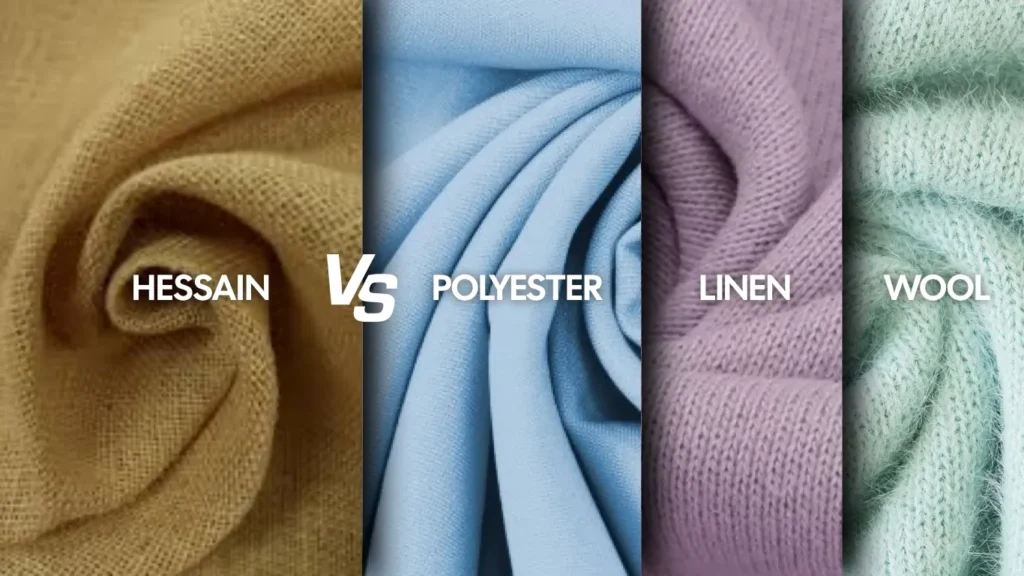
Below is a quick comparison of hessian against these fabrics based on key properties:
| Fabric | Composition | Durability | Eco-Friendliness | Common Uses |
| Hessian | Jute fibers (plant-based) | Strong, durable, especially for heavy-duty use | Biodegradable, low-resource, eco-friendly | Packaging, agricultural sacks, décor |
| Cotton | Cotton plant (plant-based) | Softer, less durable for heavy-duty use | Requires water and pesticides, but biodegradable | Clothing, bedding, textiles |
| Linen | Flax fibers (plant-based) | Durable but softer than hessian | Less resource-intensive than cotton, biodegradable | Apparel, home décor, luxury textiles |
| Polyester | Synthetic (petroleum-based) | Highly durable, resistant to moisture | Non-biodegradable, contributes to microplastic pollution | Clothing, upholstery, outdoor gear |
| Wool | Animal fibers (sheep-based) | Moisture-resistant, insulating, durable | Biodegradable but resource-intensive to produce | Clothing (e.g., sweaters, coats), insulation |
Care and Maintenance of Hessian Fabric
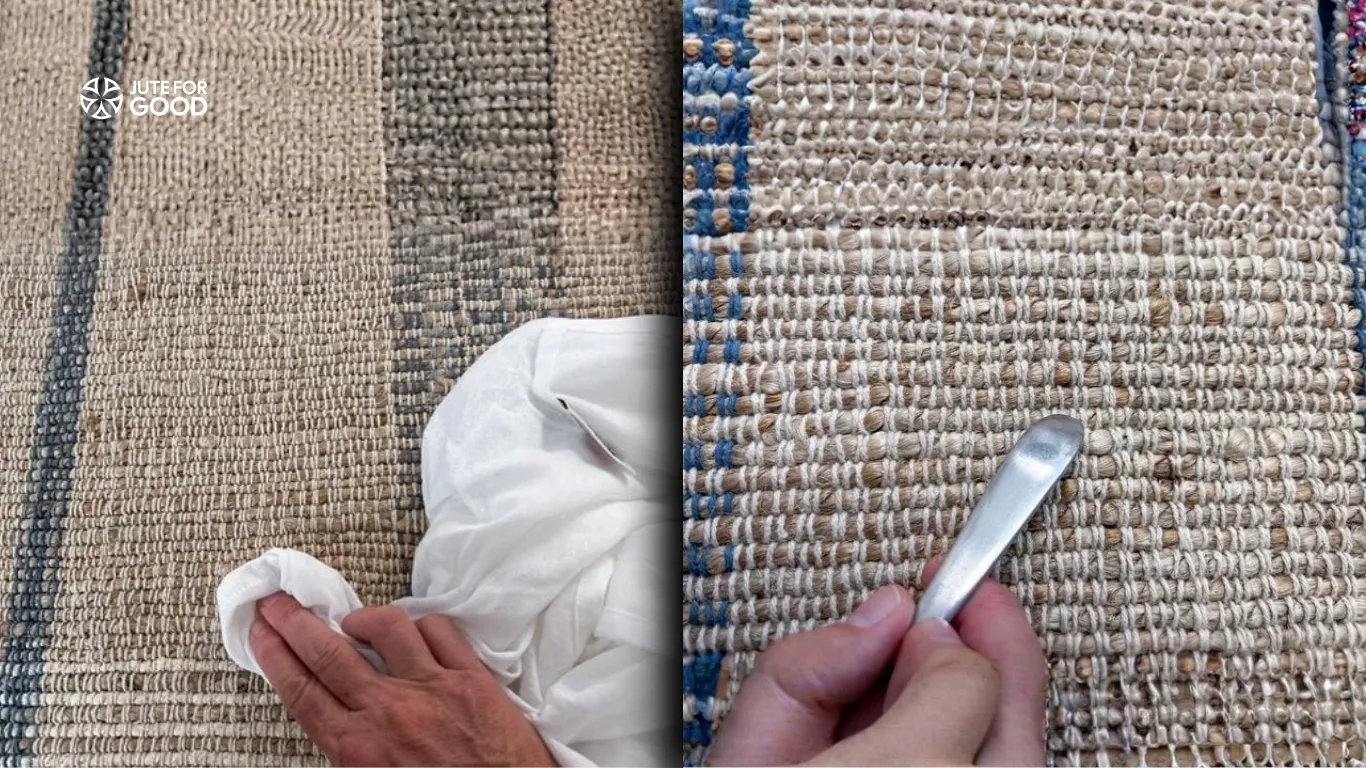
Hessian fabric is strong and sustainable, but it requires proper care to maintain its durability and appearance. Due to its coarse weave and natural jute composition, it is not suitable for machine washing, as water exposure can weaken, shrink, or fray the fabric.
Cleaning Hessian Fabric
For most uses, especially in decorative or craft applications, spot cleaning with a damp cloth and mild soap is recommended. For odour removal or light sanitization, baking soda and sun exposure provide a chemical-free alternative, effectively freshening the fabric without compromising its integrity.
Storage of Hessian Fabric
Proper storage is crucial for preserving the quality of hessian fabric. To prevent mould, mildew, and insect damage, keep hessian in a cool, dry, and well-ventilated space.
Storage Tips:
- Avoid Folding: Instead of folding, roll the fabric loosely to prevent permanent creases or deformation.
- Long-Term Storage: In humid climates, consider sealing the fabric in breathable cotton bags for additional protection.
Enhancing Durability
Hessian’s loose weave, especially at cut edges or seams, is prone to fraying. To prevent this, it’s advisable to hem or bind the edges.
Outdoor Use:
If using hessian outdoors or in areas with prolonged sun exposure, UV-treated or laminated versions of the fabric can help prolong its life and resist the damaging effects of UV rays.
Handling Hessian Fabric
Although hessian fabric is low-maintenance, it does require thoughtful handling to maintain its functional lifespan and aesthetic appeal. Proper care ensures that it remains a practical, eco-friendly, and visually attractive option for various applications.
Environmental and Sustainability Impact of Hessian Cloth
Hessian cloth stands out not only for its functional durability but also for its environmental credentials. Made from jute a fast-growing, rain-fed crop that requires minimal pesticide and fertilizer input hessian fabric offers a significantly lower ecological footprint than many synthetic alternatives. Jute cultivation also contributes positively to carbon sequestration, with one hectare of jute absorbing up to 15 tons of CO₂ and releasing 11 tons of oxygen during its 120-day growing cycle.
The biodegradability of hessian is a defining strength. When untreated, the fabric decomposes naturally within months, leaving no toxic residue. This quality makes it ideal for temporary applications like erosion control, plant wrapping, and sustainable packaging, where materials must return harmlessly to the environment after use.
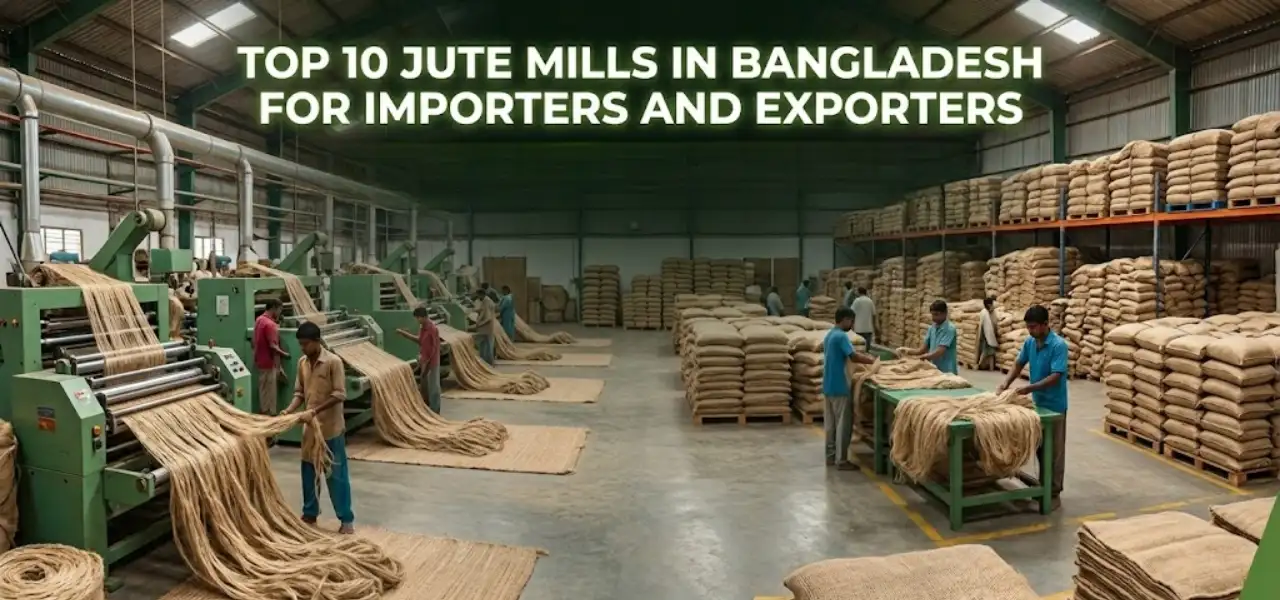
Beyond its ecological benefits, hessian supports socio-economic sustainability in its regions of origin. In countries like Bangladesh and India, the jute industry employs millions of workers, many of whom are women. The production of hessian fabric is deeply intertwined with rural economies, helping to preserve traditional agricultural practices while contributing to modern green industries.
However, not all hessian is equally sustainable. Laminated, dyed, or chemically treated variants may reduce biodegradability and introduce pollutants. Buyers focused on environmental impact should seek untreated or organically certified hessian and confirm that it is free from synthetic additives.
In a global context increasingly focused on circular economies and material life cycles, hessian offers a rare combination of strength, utility, and ecological integrity. It is both a legacy textile and a forward-looking solution for a more sustainable material future.
Frequently Asked Questions (FAQs)
What is hessian or burlap fabric?
Hessian also called burlap in North America, is a coarse woven fabric made from natural jute fiber. It is strong, breathable, biodegradable, and widely used for sacks, packaging, agriculture, erosion control, crafts, décor, and industrial wrapping.
What is burlap made of?
Burlap is usually made of 100% jute fiber. Some commercial burlap may include synthetic blends or treatments, but traditional burlap is a natural woven jute fabric known for strength, breathability, and biodegradability.
Is burlap the same as hessian?
Yes, burlap and hessian are the same type of coarse woven jute fabric. “Burlap” is the common term in North America, while “hessian” is used more often in the UK, Europe, Australia, and Commonwealth countries.
What are the main characteristics of burlap fabric?
Burlap fabric is coarse, breathable, strong, lightweight, biodegradable, and naturally textured. Its open weave allows air circulation, making it useful for agricultural packaging, coffee sacks, garden covers, sandbags, crafts, and rustic décor.
What is hessian cloth used for?
Hessian cloth is used for agricultural sacks, coffee bags, grain packaging, sandbags, erosion control, nursery wrapping, weed barriers, upholstery, crafts, table runners, gift wrapping, industrial packaging, and eco-friendly retail products.
Is burlap fabric durable?
Yes, burlap fabric is durable for packaging, agriculture, and temporary outdoor use. Its strength depends on GSM, weave density, yarn quality, and treatment. Heavy hessian is stronger than lightweight decorative burlap.
Is hessian biodegradable?
Yes, untreated hessian made from 100% jute is biodegradable and compostable. However, laminated, dyed, chemically treated, or synthetic-blended hessian may not fully biodegrade and should be checked before composting or soil use.
Can hessian cloth be used in construction?
Yes, hessian cloth is used in construction for curing concrete, erosion control, temporary protection, surface covering, and industrial wrapping. Heavier hessian grades are preferred because they offer better strength and durability.
Is hessian good for erosion control?
Yes, hessian is suitable for erosion control because it stabilizes soil while allowing water and air to pass through. It naturally decomposes over time, making it useful for slopes, embankments, riverbanks, landscaping, and reforestation projects.
What is burlap fabric used for?
Burlap fabric is used for coffee sacks, grain bags, potato sacks, sandbags, garden covers, plant wrapping, erosion control mats, craft projects, rustic décor, table runners, upholstery, gift packaging, and industrial wrapping.
Conclusion
Hessian cloth or burlap is a durable, breathable, and biodegradable fabric made from jute. Its versatility spans packaging, agriculture, home décor, and eco-friendly design. With the right grade and proper care, it offers both functional reliability and environmental value. As demand grows for sustainable materials, hessian remains a trusted, low-impact choice for a wide range of practical and creative uses.