
Ghana’s cocoa sector produced an estimated 600,000 to 700,000 metric tons of beans during the 2024/2025 season, with most of the crop transported and exported in jute sacks.
For importers, packaging distributors, and agricultural exporters in Accra, Tema, and Kumasi, choosing the right jute bag directly affects product protection, regulatory compliance, storage performance, and landed cost.
This guide covers the main jute bag types available in Ghana, the specifications buyers should confirm before ordering, and the COCOBOD and EU requirements that influence cocoa packaging. It also explains how to source and import bulk jute bags directly from Bangladesh.
This article covers how to compare bag specifications, suppliers, pricing factors, shipping options, and compliance requirements before placing a bulk order.
What Types of Jute Bags Are Available for Ghanaian Buyers?
Ghanaian buyers can choose between woven jute sacks for bulk commodities and finer jute fabrics for retail or industrial use. The right type depends on what is being packed, how it will be shipped, and whether the end product needs branding or food-grade handling.
Jute Sacks for Cocoa, Coffee, and Grains
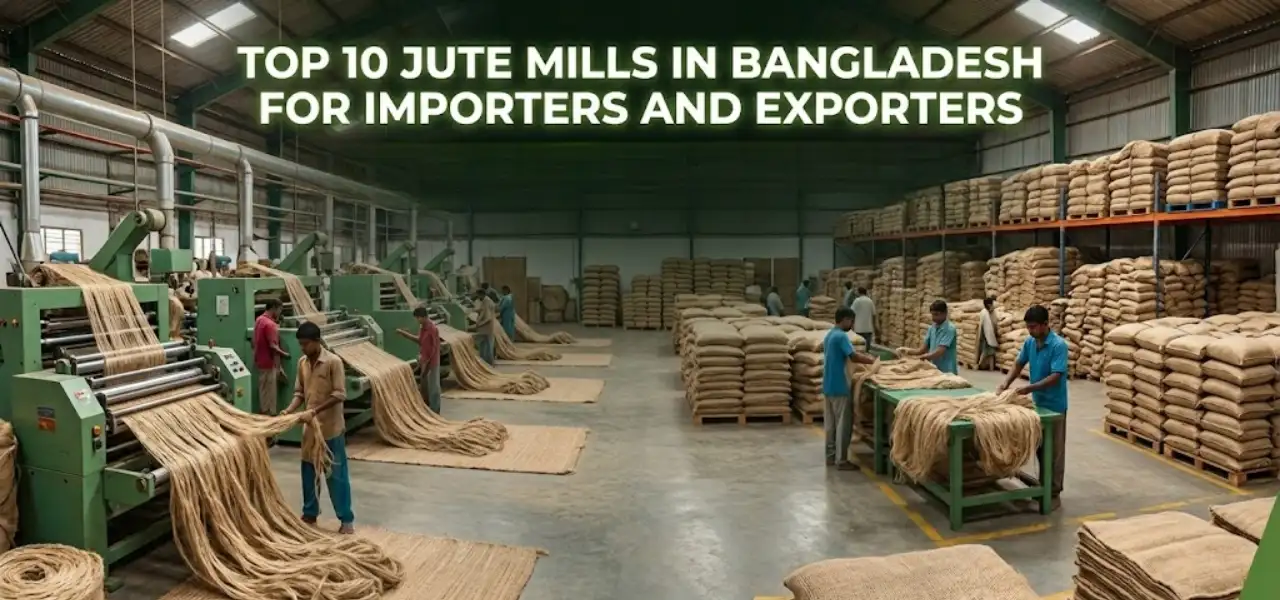
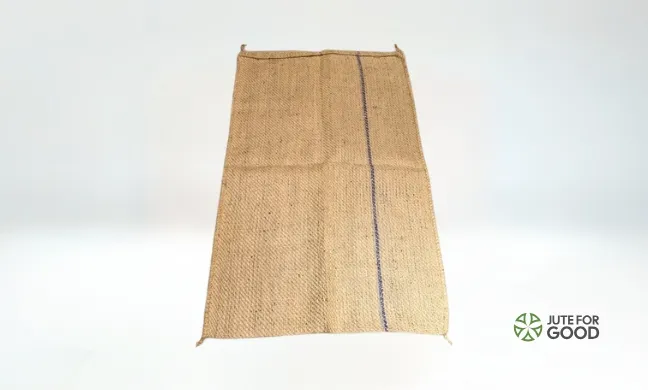
Jute sacks dominate Ghana’s agricultural export chain. Cocoa, coffee, cashew, maize, and groundnut all travel in woven jute bags because the fiber is breathable, strong enough for repeated handling, and resistant to static that can damage dry goods. A standard cocoa sack holds around 60 to 65 kilograms, matching the weight range commonly used for international cocoa shipments. Coffee and grain sacks follow similar weight bands but are often supplied in lighter or heavier GSM depending on the destination market’s handling equipment.
The table below summarizes the specification ranges Ghanaian buyers typically order against for each commodity.
| Commodity | Weave Type | GSM Range | Capacity | Stitching / Finish |
| Cocoa | B-Twill | 503 to 671 GSM | 60 to 65 kg | Double-stitched base, plain or COCOBOD-marked |
| Coffee | B-Twill / Hessian | 450 to 600 GSM | 60 kg | Food-grade or Hydrocarbon-Free (VOT) treatment available |
| Cashew | B-Twill | 400 to 550 GSM | 50 to 80 kg | Single or double-stitched base, open mouth top |
| Maize | Sacking-grade | 300 to 450 GSM | 50 to 100 kg | Single-stitched base, plain finish |
| Groundnut | Sacking-grade | 300 to 450 GSM | 50 to 100 kg | Single-stitched base, plain finish |
Hessian/Burlap Cloth and Custom Tote Bags
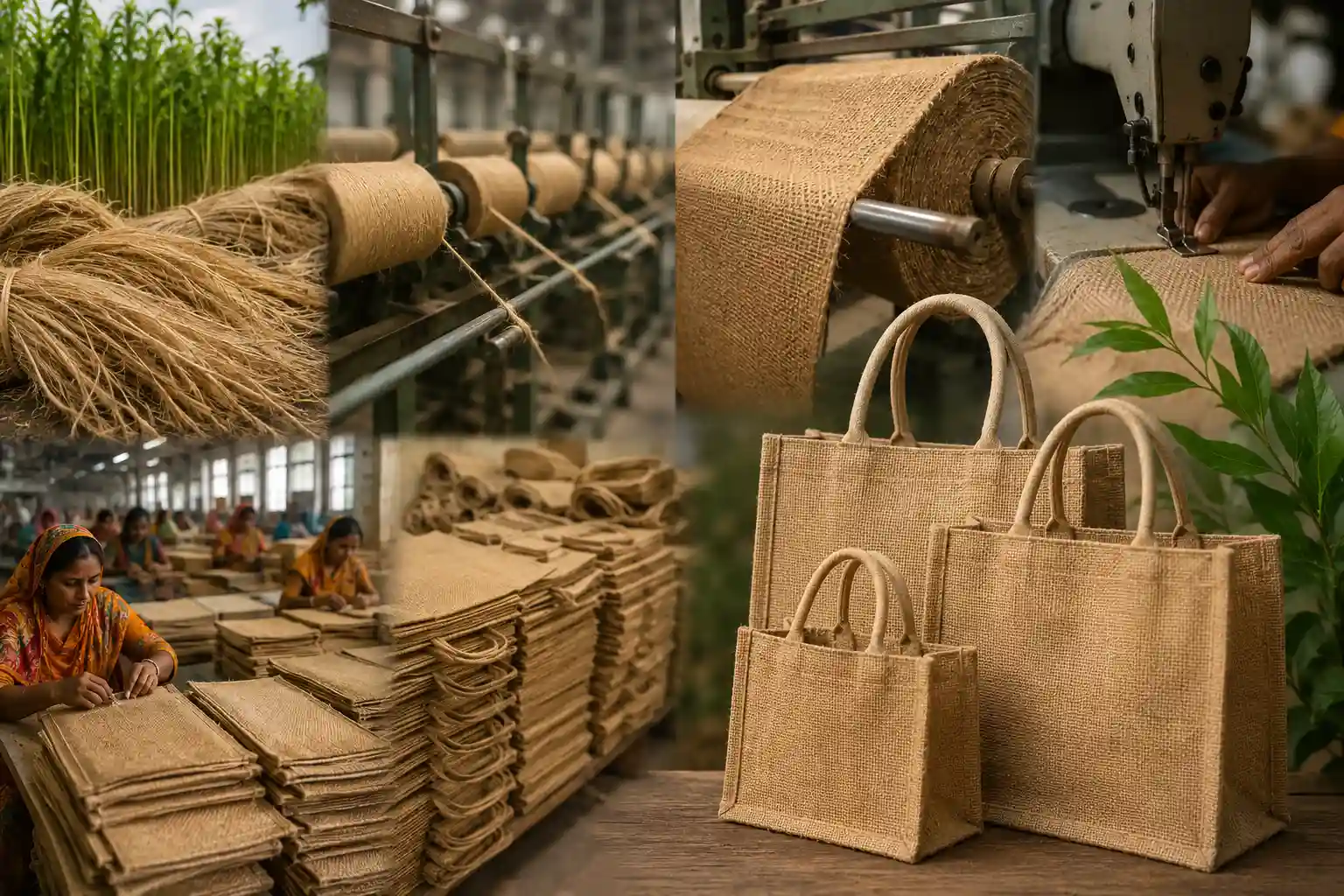
Hessian cloth also called burlap, is the lighter, finer-weave jute fabric used for packaging, lining, upholstery, and craft applications. In Ghana’s retail and lifestyle sector, hessian is increasingly cut into custom tote bags for supermarkets, fashion brands, and promotional giveaways. These bags use the same natural fiber as sacks but are finished with handles, printing, and sometimes lamination for a retail-ready look. Buyers sourcing for branding purposes typically request OEM customization, including logo printing and specific bag dimensions, rather than off-the-shelf sizes.
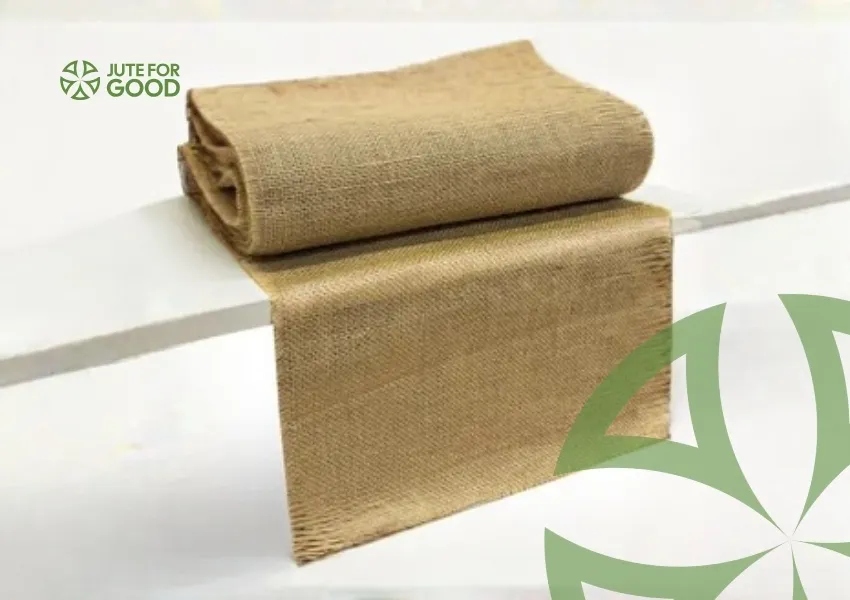
The table below outlines the specification options Ghanaian retail and packaging buyers commonly request.
| Specification | Standard Hessian Cloth | Custom Tote Bag |
| GSM Range | 200 to 400 GSM (up to 500+ for industrial use) | 280 to 400 GSM |
| Sizing | Roll width and length set by buyer | Small gift size to large grocery tote, set during sample approval |
| Handles | Not applicable | Rope, cotton, or jute webbing |
| Base / Lining | Plain weave | Reinforced or laminated base for heavier loads |
| Printing | Not applicable | Screen or digital printing for logos and branding |
| Minimum Order Quantity | Lower than custom totes | Higher MOQ due to printing and finishing setup |
What Specifications Should You Check Before Ordering Jute Bags?
Before ordering jute bags, check the bag size, GSM, carrying capacity, weave density, stitching, treatment, moisture level, printing, and packing method. These specifications determine whether the bags can protect the product, withstand export handling, and meet food-contact or buyer requirements.
1. Bag Size and Capacity
The bag dimensions must match the commodity, target filling weight, and handling method. Cocoa and coffee sacks commonly carry approximately 60 to 65 kg, while grain and agricultural sacks may be designed for loads ranging from 50 to 100 kg.
Buyers should confirm:
- Finished length and width
- Intended filling capacity
- Dimensional tolerance
- Filled-bag shape and stacking requirements
A bag should be tested with the actual commodity before bulk production because products with the same weight may have different volumes.
2. GSM and Bag Weight
GSM, or grams per square metre, measures the fabric weight per unit area. Higher-GSM fabric generally provides greater material density and abrasion resistance, but it also increases the bag’s weight and price.
However, GSM should not be assessed alone. Yarn quality, weave density, construction, and stitching also affect the bag’s final strength.
3. Weave Density
Weave density is commonly expressed as porter and shot, referring to the number of warp and weft threads within a specified area. A tighter weave improves product retention and reduces openings through which small particles may escape.
Buyers should select the weave according to the commodity:
- Cocoa and coffee: Tighter weave for strength and bean retention
- Grains and agricultural produce: Balanced breathability and load capacity
- Sand and construction materials: Strong fabric with suitable filling and discharge performance
4. Stitching and Seam Construction
The stitching must withstand filling, stacking, loading, unloading, and inland transport. Heavy agricultural sacks generally require reinforced side and bottom seams.
Important options include:
- Single or double stitching
- Hercules stitching
- Hemmed or selvedge mouth
- Reinforced bottom seam
- Jute or synthetic sewing thread
- Open-mouth or pre-closed construction
Buyers should request seam-strength testing when the bags will undergo repeated or rough handling.
5. Food-Grade and Hydrocarbon-Free Treatment
Jute sacks used for cocoa, coffee, grains, or other food commodities should be clean, low-odour, and suitable for the intended food-contact application.
Buyers should confirm:
- Whether the bags are hydrocarbon-free
- Whether vegetable-based batching oil is used
- Maximum oil content
- Odour and contamination limits
- Cleanliness and storage conditions
- Supporting test reports or declarations
Hydrocarbon-free vegetable-oil treatment is generally preferable for food commodities because it reduces the risk of contamination from mineral-oil hydrocarbons.
6. Moisture Content
Excess moisture can promote mould, odour, staining, fibre deterioration, and shipment rejection. The acceptable moisture limit should therefore be written into the purchase specification and verified before loading.
7. Printing and Identification
Custom printing may include the buyer’s name, commodity, origin, grade, net weight, batch details, handling marks, or certification information.
Confirm the following before production:
- Artwork dimensions
- Number of colours
- Ink type
- Printing position
- Marking language
- Barcode or traceability requirements
8. Packing and Bale Configuration
The number of sacks per bale and bales per container affects loading efficiency, freight cost, warehouse handling, and stock control.
The purchase order should state:
- Bags per bale
- Bale dimensions and weight
- Iron-bound or alternative export packing
- Palletised or non-palletised loading
- Expected container quantity
- Bale and batch identification
A complete specification sheet allows suppliers to quote on a like-for-like basis and reduces the risk of receiving bags that are cheaper but unsuitable for the intended load.
Do Jute Bags Meet Ghana’s Cocoa Export Standards?
Yes. Jute sacks can be used for Ghanaian cocoa exports when they meet the applicable requirements for cleanliness, strength, weight, marking, food suitability, and quality inspection. The bag must protect the cocoa without introducing odour, foreign matter, moisture, or contamination.
Compliance depends on the complete bag specification rather than the material name alone. Buyers should therefore confirm requirements with COCOBOD, the Quality Control Company, their licensed buying company, and the destination buyer before ordering.
COCOBOD Bagging and Quality Requirements
Ghana’s cocoa quality-control system covers the grading, sealing, storage, and export preparation of cocoa beans. Bags presented for inspection must be suitable for carrying cocoa and must not compromise the quality of the beans.
Buyers should verify:
- Required gross and net bag weight
- Approved dimensions and construction
- Fabric cleanliness and strength
- Absence of objectionable odour
- Food-contact suitability
- Required markings and identification
- Inspection and sealing procedures
- Storage conditions before shipment
After cocoa passes the required quality checks, authorised quality-control personnel grade and seal the bags for movement through the regulated export chain.
Reused, poorly stored, heavily treated, or contaminated sacks can introduce fibres, odours, dust, oil residues, or other foreign matter. New, clean, hydrocarbon-free jute bags are therefore the safer option for regulated cocoa channels.
EU Deforestation Rules Affecting Ghanaian Cocoa Exporters
The EU Deforestation Regulation applies to cocoa and coffee placed on or exported from the EU market. It requires relevant products to be deforestation-free, legally produced, and supported by due-diligence information.
The current application dates are:
- 30 December 2026: Large and medium operators
- 30 June 2027: Most micro and small operators
The EUDR does not prescribe jute sacks as the required packaging material. Its main focus is commodity origin, geolocation, legality, traceability, and deforestation risk.
However, Ghanaian exporters should keep packaging records aligned with the wider shipment documentation. Batch numbers, supplier details, purchase orders, packing lists, and bag markings can support stronger lot identification and supply-chain control.
EU Packaging and Plastic-Reduction Requirements
EU packaging rules are separate from the EUDR. Exporters and importers may need to consider packaging minimisation, recyclability, waste-management obligations, and destination-specific requirements.
Jute can support plastic-reduction strategies because it is a natural-fibre packaging material. However, biodegradable packaging does not automatically guarantee regulatory compliance. Buyers must still verify treatment, inks, coatings, contamination controls, and disposal requirements for the destination market.
Why Are Jute Bags a Sustainable Packaging Choice for Ghana?
Jute bags are a sustainable option for Ghana because they are made from renewable natural fibre, are reusable under suitable conditions, and biodegrade without leaving persistent plastic fragments. They also provide the breathability and handling strength required for cocoa, coffee, grains, cashew, and other agricultural commodities.
Key Environmental Benefits
Renewable material: Jute is a plant-based fibre that can be cultivated repeatedly.
Biodegradability: Untreated natural jute decomposes more readily than polypropylene packaging and does not create persistent microplastic pollution.
Reusability: Bags that remain clean and structurally sound may be reused where food-safety and buyer rules permit.
Reduced synthetic-plastic dependence: Replacing polypropylene sacks with jute can help companies reduce the use of fossil-fuel-based packaging.
Compatibility with agricultural logistics: Jute sacks can be handled through existing warehouses, trucks, loading systems, and port operations without major infrastructure changes.
Commercial Value for Ghanaian Exporters
International cocoa, coffee, food, and retail buyers increasingly assess packaging as part of their environmental procurement policies. Using specification-controlled jute sacks can help Ghanaian suppliers respond to buyer requests for natural, plastic-reduced, or biodegradable packaging.
The environmental benefit still depends on how the bag is produced and treated. Buyers should examine oil treatment, dyes, printing inks, lamination, transport distance, reuse potential, and end-of-life handling rather than relying only on a “biodegradable” claim.
Local Supply vs. Importing Jute Bags from Bangladesh: Which Is Better?
Local supply is better for urgent, small-volume purchases, while factory-direct importing from Bangladesh is generally more suitable for large, recurring, or specification-controlled orders. The right option depends on volume, lead time, quality requirements, and working capital.
| Buying Factor | Local Ghanaian Supplier | Factory-Direct Import from Bangladesh |
| Availability | Faster when stock is available | Requires production and shipping |
| Order volume | Suitable for smaller quantities | Better suited to bulk orders |
| Specification control | Limited to available stock | Custom size, weight, weave and stitching |
| Branding | May be limited | Custom printing and OEM production |
| Unit price | May include importer or reseller markup | Potential factory-direct pricing |
| Quality consistency | Depends on source and batch | Can be controlled through an approved specification |
| Inspection | Stock can be checked locally | Pre-shipment or third-party inspection available |
| Planning requirement | Lower | Higher due to production and transit time |
How Much Do Jute Bags Cost for Bulk Orders in Ghana?
Bulk jute bag prices in Ghana depend on the bag’s size, fabric weight, weave, stitching, treatment, printing, order quantity, freight, and Incoterm. Suppliers cannot provide an accurate price until the buyer submits a complete specification.
Main Factors Affecting Jute Bag Prices
- Fabric and bag weight: Heavier bags require more fibre and generally cost more.
- Bag dimensions: Larger dimensions increase material consumption.
- Weave density: Tighter constructions may require more yarn and production time.
- Stitching: Reinforced, double, or specialised seams add labour and material costs.
- Food-grade treatment: Hydrocarbon-free processing and additional testing can affect the price.
- Printing: More colours, larger artwork, and complex registration increase setup costs.
- Order volume: Larger production runs may reduce the unit cost.
- Inspection: SGS, Bureau Veritas, or another third-party inspection adds a separate charge.
- Packing method: Bale type, palletisation, wrapping, and labelling affect export cost.
- Freight and Incoterm: FOB, CFR, CIF, and other terms allocate transport costs and responsibilities differently.
How Many Empty Jute Bags Fit in a 20-Foot Container?
Container quantity varies substantially by bag size, individual weight, compression method, and bale configuration. Depending on the specification, a 20-foot container may hold approximately 28,000 to 40,000 empty lightweight or standard jute bags.
Heavy sacking bags occupy more weight per unit and may produce a much lower container count. Buyers should request a supplier-issued packing calculation for the exact product rather than using one general figure for every jute bag.
How Can Ghanaian Businesses Import Jute Bags from Bangladesh?
Ghanaian businesses can import jute bags from Bangladesh by finalising the specification, obtaining a quotation, approving a sample, confirming payment terms, inspecting production, preparing documents, and shipping the goods to Tema or Takoradi.
Step-by-Step Ordering Process
- Share product specifications, including bag type, size, GSM, quantity, and destination port.
- Receive a wholesale quotation and confirm specification details with the supplier.
- Approve a sample before bulk production begins, since this is the stage where stitching, printing, and fabric quality can still be adjusted.
- Allow the supplier to complete bulk production, in-line inspection, and final batch testing, including moisture and tensile strength checks.
- Confirm export documentation and container loading details ahead of shipment.
Why Choose Jute For Good for Jute Bags in Ghana?
Jute For Good is a Bangladesh-based manufacturer and exporter supplying specification-controlled jute sacks and related natural-fibre products for agricultural, industrial, packaging, and retail buyers. Ghanaian importers can source factory-direct products, request buyer-specific specifications, arrange quality inspections, and approve samples before bulk production.
Factory-Direct Product Options
Ghanaian buyers can source cocoa and coffee jute sacks, B-Twill and other sacking bags, grain, rice and agricultural sacks, hessian or burlap bags, hessian fabric, sandbags, geo bags, jute rope, twine, yarn, and custom-printed jute tote bags. This product range allows importers, agricultural exporters, packaging distributors, and retailers to source multiple jute products from one supplier.
Specification-Based Manufacturing
Orders can be produced according to the buyer’s required size, bag weight or GSM, weave density, load capacity, stitching, mouth finish, stripe or print design, hydrocarbon-free treatment, bale packing, and container quantity. Specification-based manufacturing helps buyers match the bag construction to the commodity, filling weight, handling conditions, branding requirements, and destination market.
Quality-Control Process
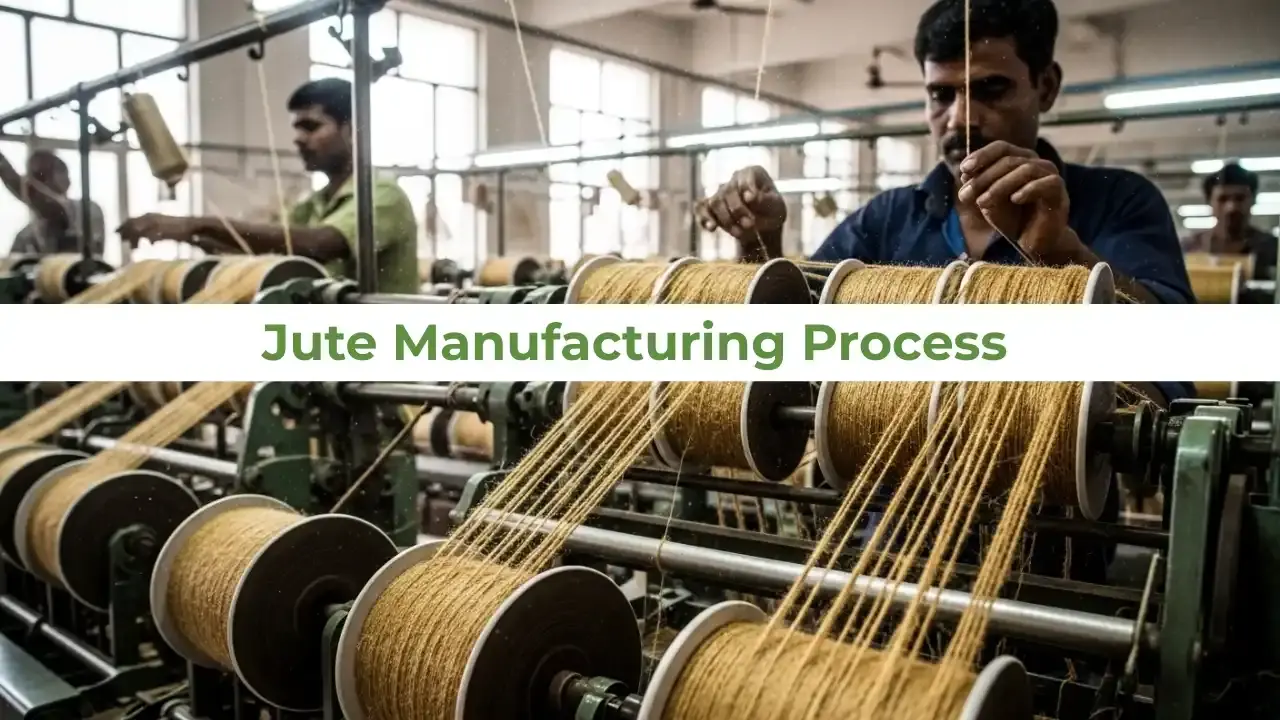
Each order can be checked through three main stages. Raw-material inspection checks the fibre and yarn before production. In-line inspection monitors weaving, cutting, stitching, and printing during manufacturing. Final inspection checks the finished bags, packing, and shipment quantities before loading.
Independent inspection by SGS, Bureau Veritas, or another agreed agency can also be arranged at the buyer’s cost.
Sampling and OEM Support
Samples allow buyers to verify dimensions, fabric weight, construction, printing, treatment, and filling performance before authorising bulk production. The approved sample can then be used as the reference standard for the final order.
OEM services are available for buyers requiring custom logos, commodity markings, coloured stripes, private labels, retail packaging, special dimensions, and buyer-specific bale identification.
For an accurate quotation, Ghanaian buyers should provide the intended commodity, bag size, weight or GSM, weave, stitching, treatment, printing, order quantity, and destination port.
Frequently Asked Questions
Are Jute Bags Allowed for Cocoa Export in Ghana?
Yes. Jute sacks are accepted for cocoa export in Ghana under COCOBOD’s grading and certification system. The bags must meet the required weight, cleanliness, strength, and food-contact standards before being inspected and sealed by a Quality Control Division agent.
What Is the Standard Weight for a Jute Cocoa Sack?
A jute cocoa sack in Ghana typically carries around 60 to 65 kilograms of cocoa. The exact gross weight must follow COCOBOD’s bagging, grading, and sealing requirements for export-quality cocoa.
How Long Does Shipping from Bangladesh to Ghana Take?
Shipping time from Bangladesh to Ghana includes both production and ocean transit. Production usually takes several weeks depending on the order size, after which the goods are shipped to Tema or Takoradi. Buyers should calculate the full lead time rather than ocean freight alone.
Can Jute Bags Be Custom Branded for Retail Use?
Yes. Jute bags, hessian bags, and tote bags can be customized with specific sizes, colours, logos, printing, handles, linings, and packaging. Buyers normally approve a physical sample before bulk OEM production begins.
Is Jute a Profitable Packaging Investment for Distributors?
Jute can be a profitable packaging investment for distributors because it combines durability, reusability, biodegradability, and growing demand for plastic-free packaging. It is particularly suitable for distributors serving Ghana’s agriculture, export, retail, and promotional packaging markets.