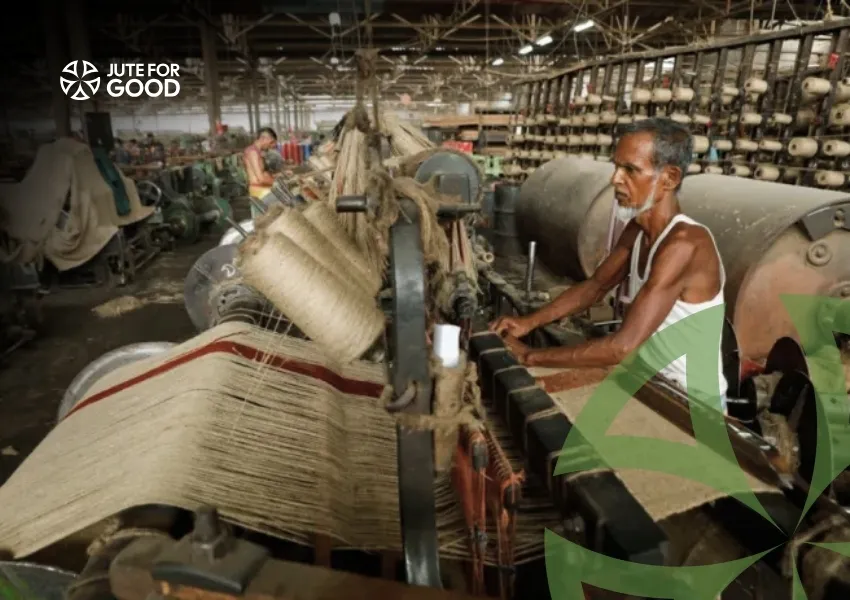
Jute Bag Manufacturing Process: From Raw Fiber to Finished Bags
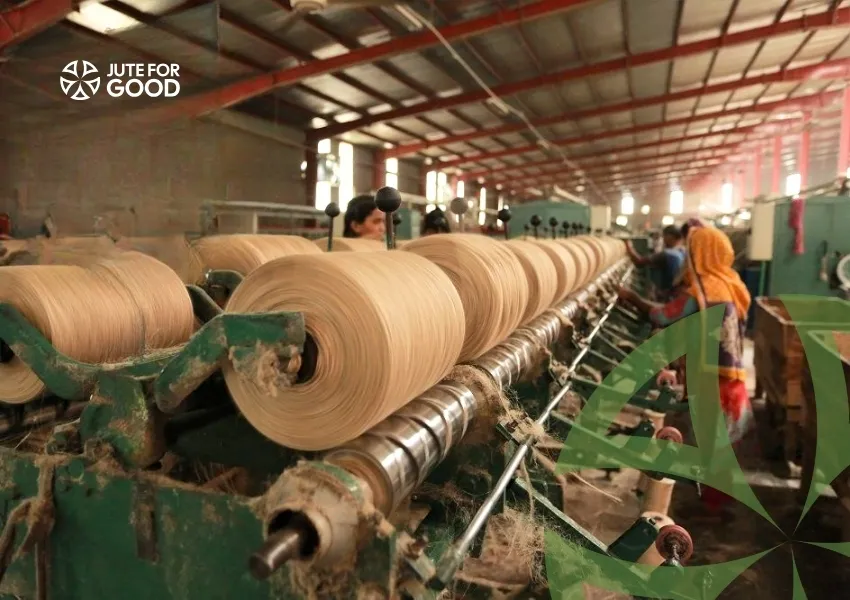
Jute bag manufacturing converts natural jute fiber into yarn, woven fabric, and finished bags through a controlled series of agricultural


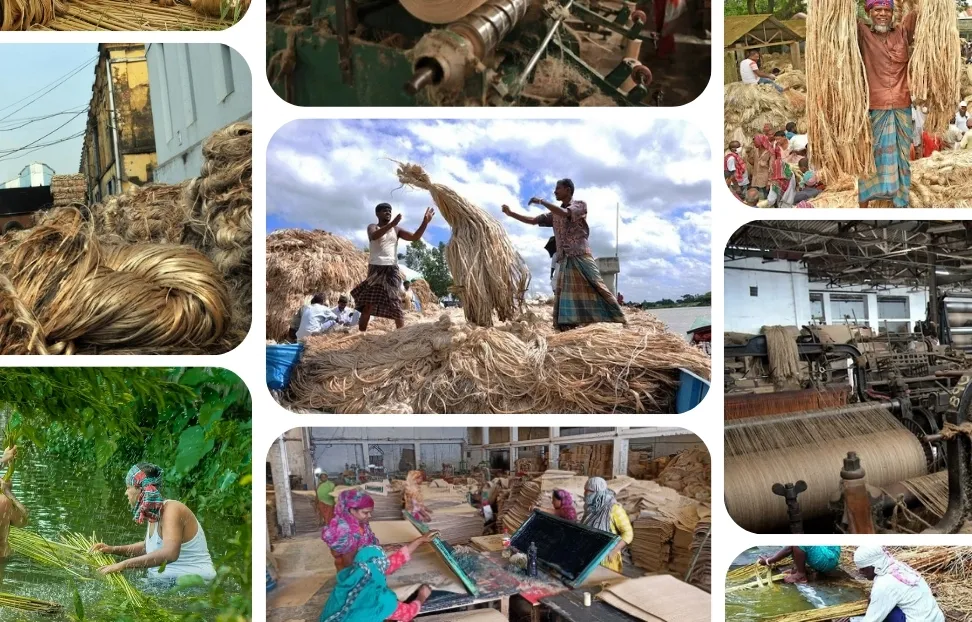
Jute bag manufacturing converts natural jute fiber into yarn, woven fabric, and finished bags through a controlled series of agricultural
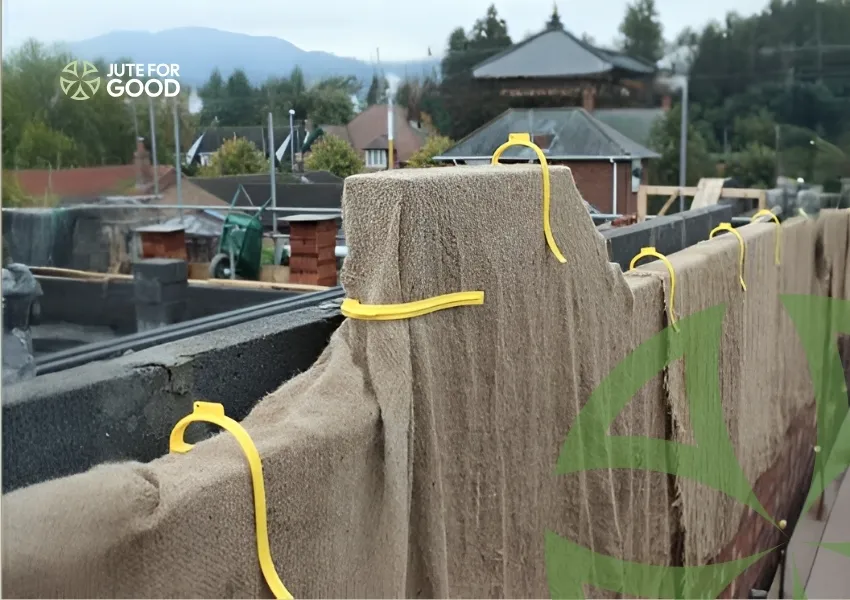
Hessian cloth or burlap, is a tough, natural fabric made from jute. In construction, it’s widely used for curing concrete
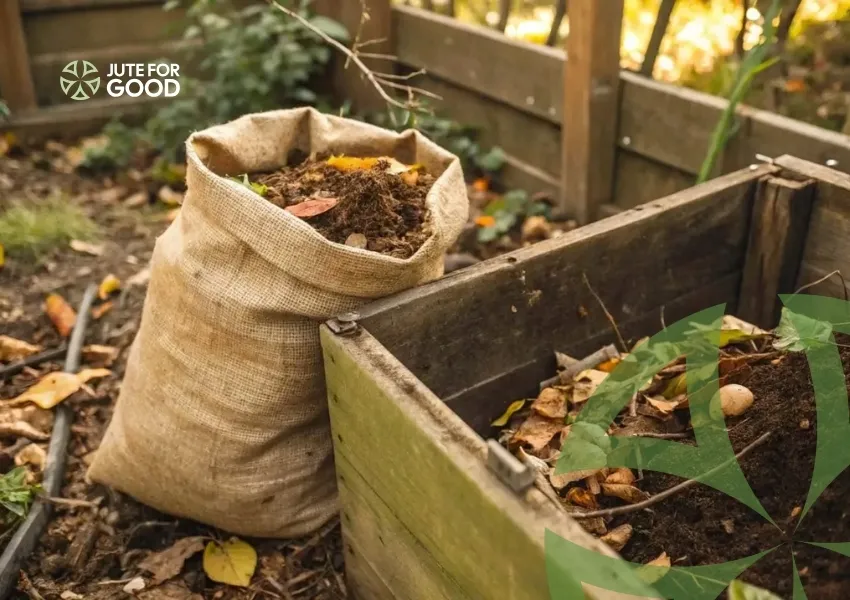
Burlap is a fabric people often see in gardens, packaging, landscaping, and rustic decorations. It has a rough texture and
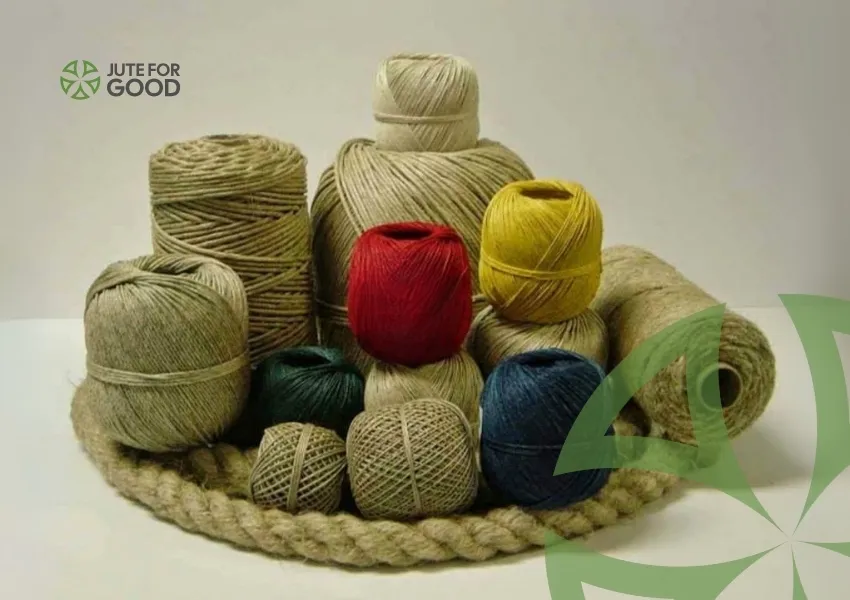
Jute yarn is a spun natural-fiber material used to manufacture hessian cloth, sacking fabric, carpet backing, ropes, twines, rugs, and
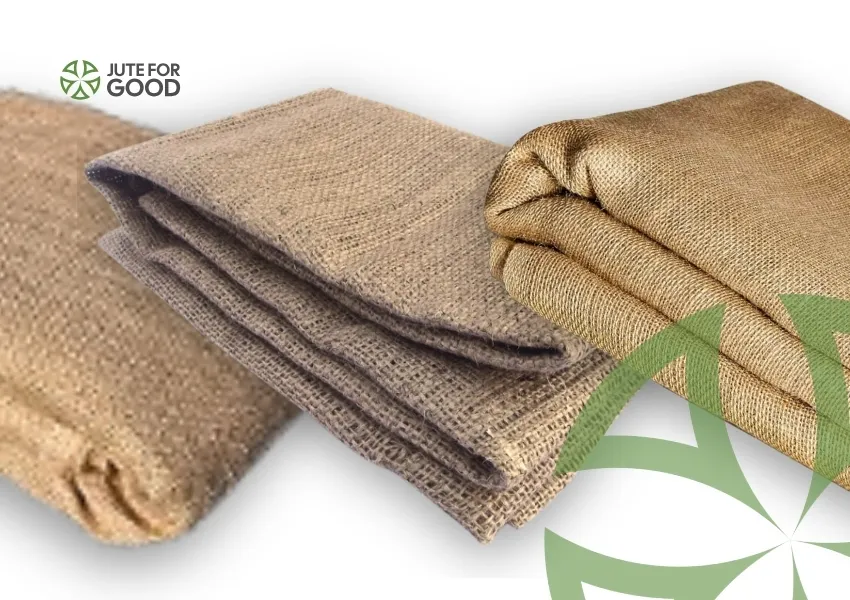
Jute, burlap, and hessian are closely related, but they are not exactly the same. Jute is a natural plant fiber.
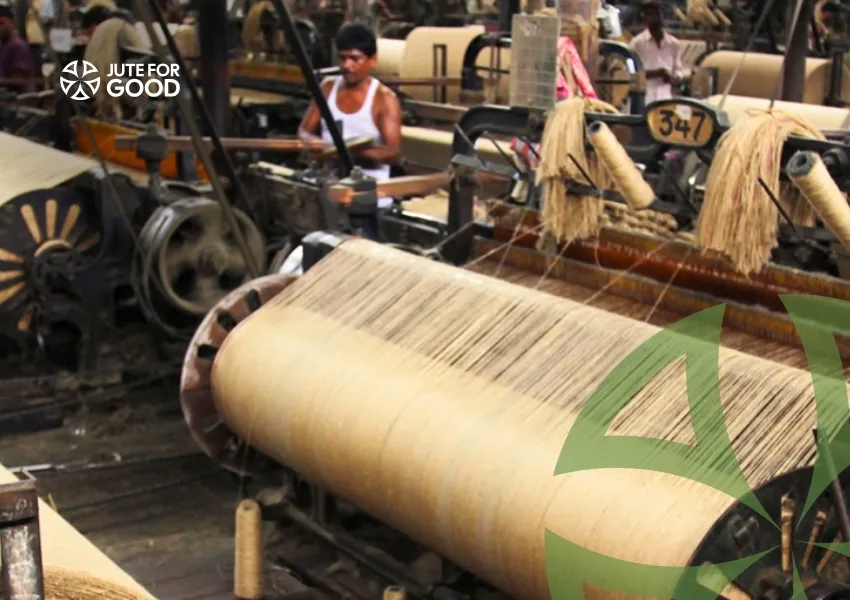
Kolkata is the heart of India’s jute industry, home to some of the country’s oldest and largest jute mills. With
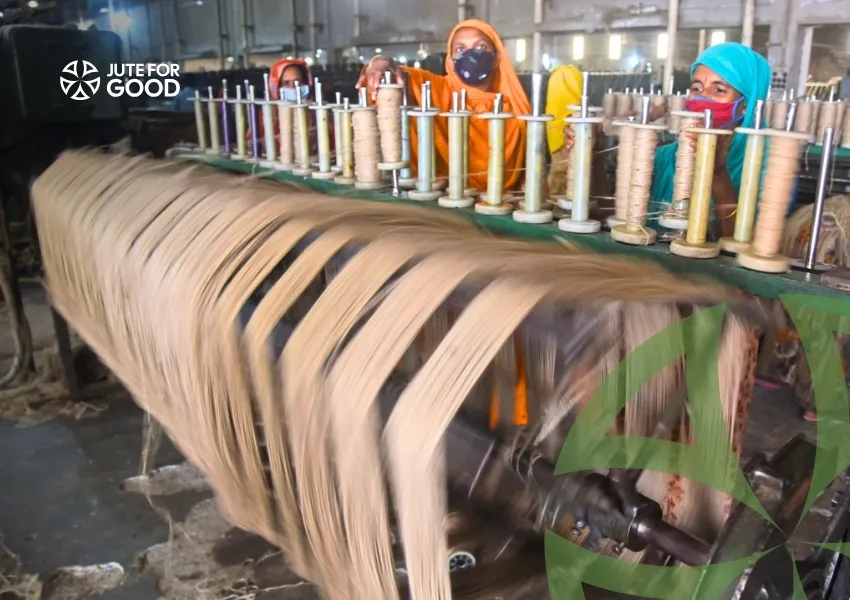
India and Bangladesh are the two strongest sourcing bases for jute bags. India supplies about 75% of the world’s jute
Bangladesh produces over 1.3 million metric tons of raw jute annually, more than any other country and exports finished jute goods