Jute For Good manufactures and exports jute sack bags, hessian cloth, jute fabric, rope, and yarn from Bangladesh. We supply Canadian retailers, wholesalers, and agricultural buyers with factory-direct pricing and specification-based production.
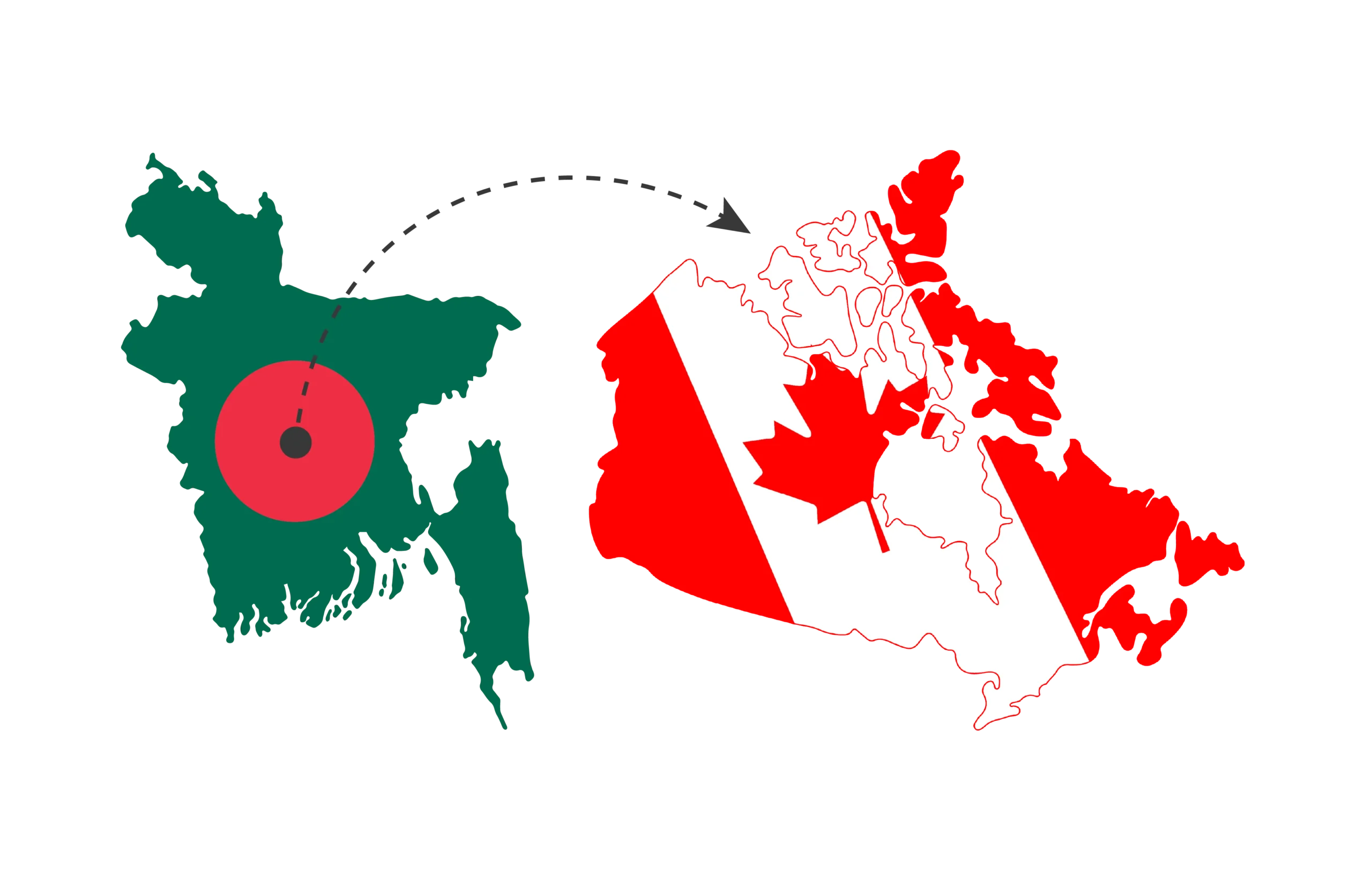

Canada’s Single-use Plastics Prohibition Regulations cover specified products, including single-use plastic checkout bags. This has increased interest in reusable retail alternatives. Custom jute tote bags can support reuse programs when their size, handles, load capacity, labelling and lifecycle match the retailer’s requirements.
Bangladesh is a major producer and exporter of Tossa jute used for hessian, sacks, yarn, rope and diversified jute products. Buyers should evaluate the actual fibre grade, strength, colour, root content, yarn construction and finished-product specification.:
We supply a full range of durable, eco-friendly jute products designed for Canada’s retail, agricultural, industrial, and environmental sectors. Each product is engineered for long-lasting performance, stable quality, and compliance with Canada’s growing sustainability standards.
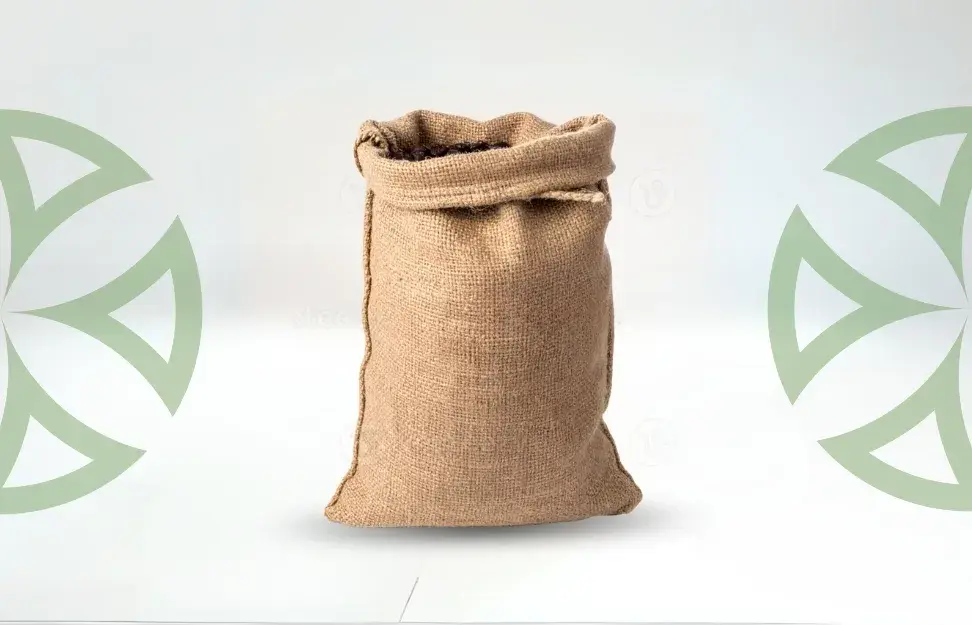
Jute sacks can be manufactured for coffee, seeds, produce, grains and selected dry commodities. Buyers should define the required net filling weight, bag dimensions, empty bag weight, weave, seam construction, treatment and printing for each product.
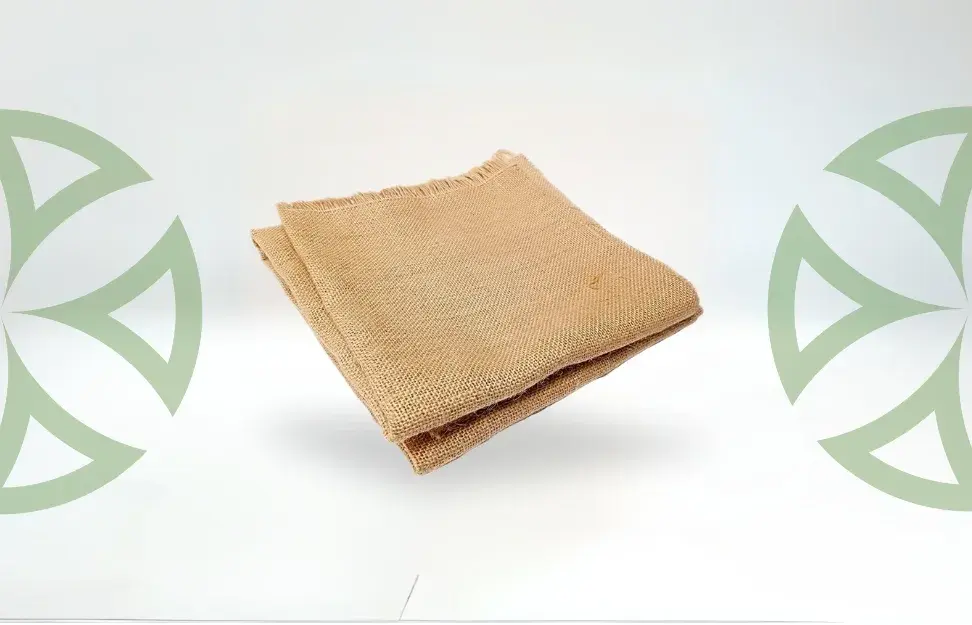
Hessian and burlap fabric can be specified by GSM or ounces per running yard at a stated width. Buyers should also define fabric width, porter and shots, yarn count, selvedge, treatment, roll length and tolerance.
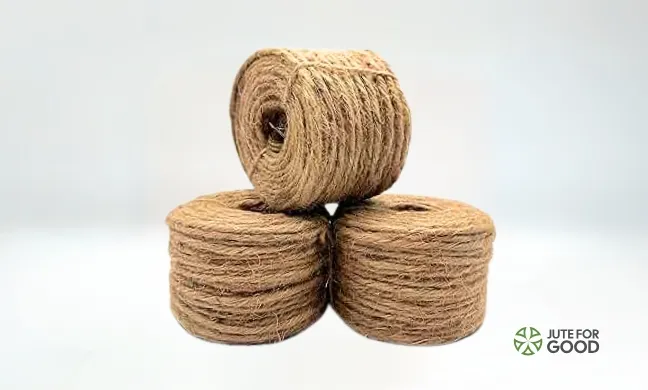
Jute Ropes & Twines
Jute rope is a biodegradable natural fiber rope used in Canadian agriculture, vineyards, and packaging. The tight twist construction resists fraying across Canada’s climate range, from coastal humidity to dry prairie conditions.
Canadian buyers need consistency, sustainability, and dependable supply. We meet these expectations with a process built for reliability and long-term partnership.
Our jute is natural, strong, and biodegradable — perfect for Canada’s shift toward plastic-free retail and sustainable packaging.
We maintain strong production capacity to ensure steady supply for Canadian wholesalers, distributors, and retail chains year-round.
We offer clear quotations and volume-based discounts without hidden costs. Canadian importers benefit from predictable long-term pricing.
We provide complete export paperwork including Invoice, Packing List, COO, and required certificates, ensuring smooth customs clearance in Canada.
We customize size, GSM, handles, printing, lamination, and finishing to meet the needs of Canadian retailers, eco-brands, and packaging companies.
Our jute products maintain strength even in Canada’s varied climates — from coastal humidity to dry prairies — making them dependable for long-term storage and transport.
Our export workflow is designed to give Canadian buyers a smooth, predictable importing experience with reliable quality checks and fast shipping coordination.
01

We review your product specifications and prepare an accurate quotation.
02
Every batch undergoes strict GSM, strength, moisture, and finishing checks.
03
Secure packing and complete export documents are prepared for customs.
04
We ship to major Canadian ports like Vancouver, Toronto, Halifax, and Montreal with real-time tracking.
Canada uses jute across retail, agriculture, construction, and environmentally focused sectors as the country continues to move toward plastic-free and sustainable materials. Our products are engineered to meet the durability, performance, and compliance requirements of Canadian businesses across these key industries.
We supply custom jute bags, totes, and packaging solutions for Canadian retail brands, supermarkets, boutiques, and eco-stores. These products offer strong durability, premium finishing, and a sustainable alternative to plastic packaging.
Canadian farms, distributors, and commodity buyers use our jute sacks for grains, potatoes, cocoa, coffee, seeds, and bulk foods. The natural breathability of jute helps reduce spoilage and supports long-term storage in diverse Canadian climates.
Our hessian fabric, jute yarn, rugs, and decorative materials are widely used by Canadian craft makers, interior designers, and home-goods manufacturers. Clean weaving and consistent GSM support high-quality production for décor and textile applications.
We provide jute fabrics, ropes, and geotextiles used in wrapping, pallet protection, soil reinforcement, erosion control, and green construction projects across Canada. These natural materials offer strong performance while supporting eco-friendly building practices.

Businesses around the world trust Jute for Good for consistent quality, transparent communication, and reliable export service.
MOQ depends on the product, dimensions, fabric weight, weave, treatment, printing, color, and packing format. Standard sacks, burlap rolls, yarn, rope, and custom tote bags have different production minimums. Buyers should submit a complete specification for a product-specific MOQ.
Yes. Canadian importers source jute sacks, burlap fabric, custom tote bags, yarn, twine, rope, and other jute products from Bangladesh. The correct tariff classification, labelling, documentation, and product requirements depend on the type and intended use of the imported goods.
Yes. Canadian buyers can request custom dimensions, fabric weight, handles, stitching, colours, logos, bilingual labels, shipping marks, and packing. A pre-production sample should be approved before bulk manufacturing when the order includes custom printing, construction, colour, or branding.
The best port depends on the buyer’s location, carrier route, transit time, and inland-delivery cost. Vancouver or Prince Rupert may suit western Canada, while Montreal or Halifax may suit eastern markets. Rail or truck delivery can then move the shipment to the final destination.
Yes, when manufactured to the correct commodity specification. Buyers should define the filling weight, bag dimensions, empty bag weight, weave, seams, treatment, printing, storage conditions, and any food-contact requirements. One sack specification should not be used for every commodity.