Jute For Good manufactures and exports wholesale jute bags from Bangladesh for Omani importers, food suppliers, agricultural businesses, packaging distributors, retailers, and industrial buyers.
Our main products include agricultural jute sacks, B-Twill bags, food-contact suitable sacks, hessian bags, and custom-printed jute shopping bags. Buyers can specify the size, carrying capacity, fabric construction, bag weight, stitching, treatment, printing, and bale packing.


Omani businesses import jute bags for agricultural commodities, food products, animal feed, charcoal, industrial materials, and retail packaging. Jute sacks provide breathability, strong handling performance, custom printing, and natural biodegradability.
Established industrial demand: Oman imported approximately $2.20 million and 899,331 kg of jute sacks under HS 630510 in 2023.
Agricultural packaging: Common applications include dates, rice, wheat, pulses, onions, seeds, animal feed, and other dry commodities.
Retail and corporate use: Supermarkets, hotels, retailers, and corporate buyers use reusable printed jute bags as alternatives to disposable shopping bags.
Plastic reduction policy: Oman’s Environment Authority is introducing phased restrictions on plastic shopping bags under Decision 8/2024, increasing demand for practical reusable packaging.
Factory-direct supply: Jute For Good manufactures bulk jute bags in Bangladesh according to approved specifications and checks each order before export packing.
Our export-grade jute products are built for the country’s hot climate, offering durability, breathability, and reliable performance. From heavy-duty sacks to custom bags and hessian fabrics, we supply consistent quality for bulk imports and fast GCC delivery.
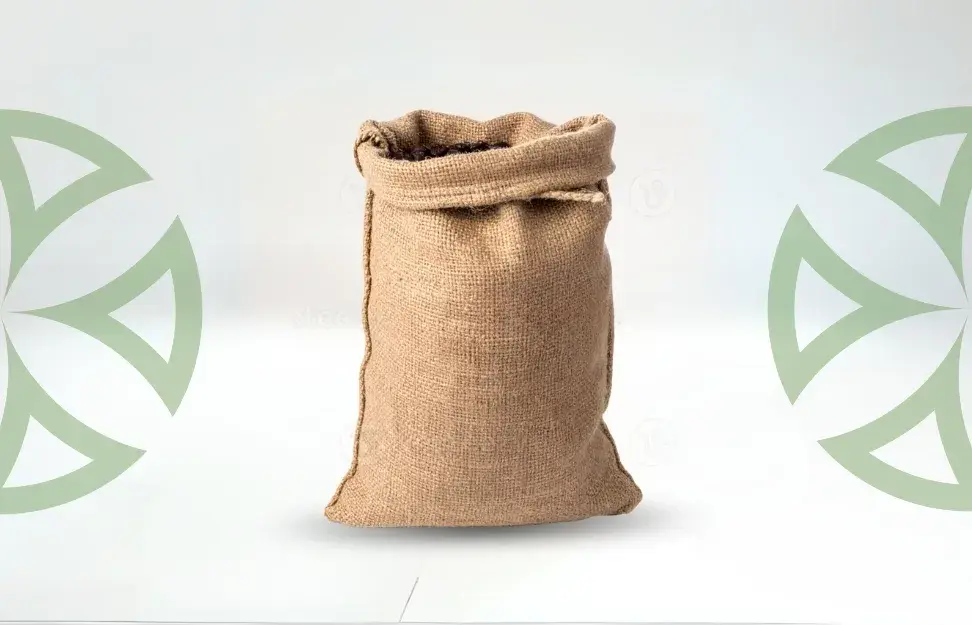
Dense sacking bags for rice, wheat, sugar, grains, feed, charcoal, and other products that require stronger handling and stacking performance.
B-Twill bags can be manufactured with custom dimensions, bag weight, seam construction, stripes, Arabic or English markings, and export bale packing. The final construction should match the intended filling weight and handling system.
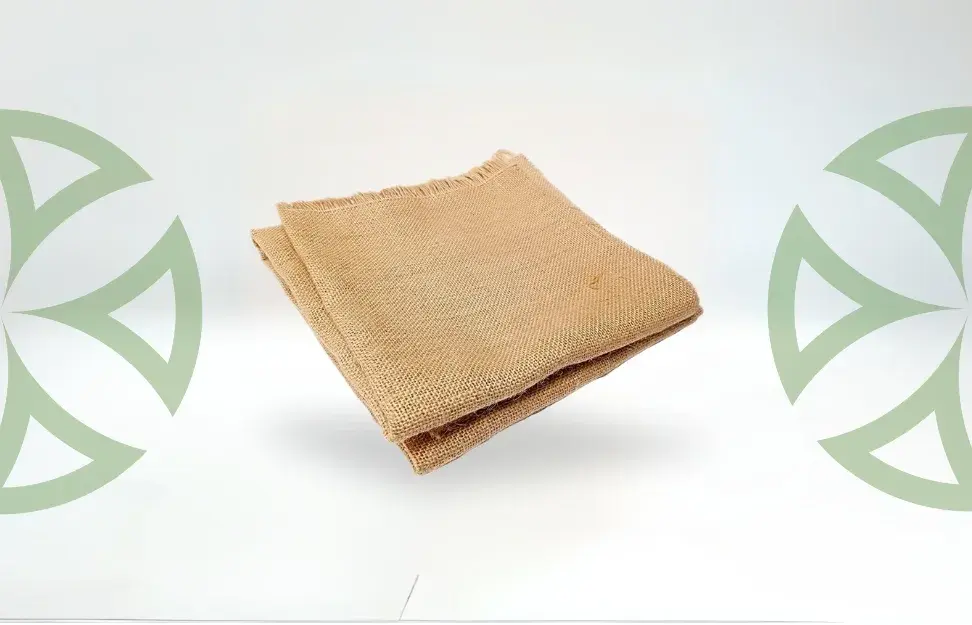
Reusable jute bags for supermarkets, retailers, hotels, exhibitions, corporate gifts, product packaging, and promotional campaigns.
Custom options include bag dimensions, handle type, fabric colour, lamination, gussets, inner lining, logo printing, and bilingual Arabic-English artwork.
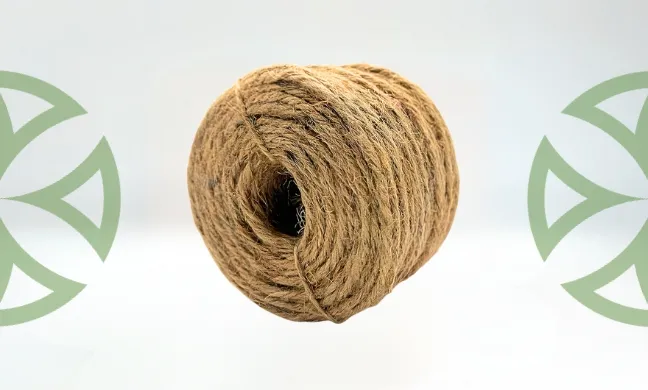
Reusable jute bags for supermarkets, hotels, retailers, exhibitions, corporate gifts, and promotional campaigns. Custom options include handles, gussets, lamination, fabric colour, inner lining, and bilingual Arabic-English logo printing.
Omani importers need more than a low unit price. A dependable supplier must control dimensions, fabric construction, stitching, printing, packing, documentation, and repeat-order consistency.
Jute For Good manufactures and exports from Bangladesh. Buyers communicate directly with the production and export team instead of sourcing through unnecessary trading layers.
Each order is produced according to an approved bag size, fabric weight, carrying capacity, stitching method, treatment, printing layout, and packing specification.
We focus on new production for buyers requiring controlled cleanliness, odour, dimensions, strength, printing, traceability, and repeat-order availability.
Finished bags are checked for dimensions, finished weight, weave, seam construction, printing, quantity, and bale packing. Buyer-appointed pre-shipment inspection can be arranged when specified in the purchase agreement.
Jute bags can include Arabic, English, or bilingual printing. Available markings include logos, product names, net weight, origin, lot numbers, handling instructions, and importer details.
Our export team prepares the agreed commercial and shipping documents. Oman Customs identifies the commercial invoice, manufacturer-country certificate, and applicable permit files among the documents required for a customs declaration.
The export process begins with a complete product specification. Sample approval, production controls, export packing, and documentation help reduce differences between the quoted product and the delivered shipment.
01

We receive your product list, sizes, GSM, and quantity, then prepare a clear quotation.
02
Every order is tested for GSM accuracy, fiber strength, moisture, and stitching or weaving quality.
03
Products are packed securely for desert-climate transit, with full export documentation.
04
We ship to Sohar, Salalah, and Muscat ports with continuous tracking updates.
Jute bags serve several Omani industries, but the required product differs by application. Agricultural sacks need load and seam performance, while retail bags require finishing, handles, printing, and reuse value.
Date traders, agricultural suppliers, food processors, and commodity distributors can use jute sacks for dates, grains, rice, wheat, pulses, onions, seeds, and other dry products.
The buyer should confirm whether the bag will contact food directly, hold pre-packed products, or serve only as an outer sack. This determines the required treatment, printing ink, liner, cleanliness, and testing conditions.
B-Twill, sacking, and hessian bags can be manufactured for rice, wheat, pulses, grains, flour, sugar, seeds, and animal feed.
The correct bag depends on the filled weight, product density, bag-closing method, stacking height, warehouse handling, and transport conditions.
Supermarkets, retailers, hotels, event companies, and corporate buyers can order custom jute bags for shopping, gifting, exhibitions, welcome packs, and branded product packaging.
Reusable bags can include Arabic-English branding, reinforced handles, gussets, lamination, inner lining, and different printing methods.
Omani packaging distributors can import plain or custom jute bags for resale to agricultural businesses, food suppliers, retailers, construction suppliers, and industrial customers.
Industrial sacks can also be produced for charcoal, mineral products, hardware, and other dry materials where the selected jute construction is suitable.

Businesses around the world trust Jute for Good for consistent quality, transparent communication, and reliable export service.
Omani buyers commonly ask about product suitability, food contact, Arabic printing, customization, MOQs, shipping, customs documents, and the correct HS code before confirming a bulk order.
Industrial jute sack bags are the most commercially significant jute product category in Oman. They are used for agricultural commodities, grains, rice, pulses, animal feed, charcoal, food products, and industrial packing.
Oman imported approximately 899,331 kg of jute sacks under HS 630510 in 2023.
Yes. Jute bags can be used for dates when the bag construction and treatment meet the buyer’s packing requirements. The buyer should specify whether the dates will contact the jute directly, use an inner food-grade liner, or be packed in retail boxes before placement inside the sack.
Jute does not create a moisture barrier, so storage humidity and liner requirements must be considered separately.
Sacks and bags made from jute and used for packing goods are generally classified under HS 630510. Oman Customs remains responsible for the final national classification.
Importers can request an advance ruling from Oman Customs when classification, origin, or customs-value certainty is required before importation.
Yes. Quotations can be prepared for delivery through Sohar, Salalah, Duqm, or another port nominated by the buyer or freight forwarder.
The final route depends on container availability, freight rates, carrier schedule, inland destination, and the agreed Incoterm. ASYAD identifies Sohar, Salalah, and Duqm as core deep-water ports within Oman’s logistics network.