


Hessian cloth, also known as burlap in North America, is a coarse woven fabric made from jute – a strong, biodegradable plant fiber. Valued for its durability, breathability, and low environmental impact, it remains widely used in packaging, agriculture, home décor, and sustainable design. This article examines the key characteristics, practical uses, and environmental benefits of hessian fabric, offering guidance on how to choose, use, and care for this versatile material.
Applications of Hessian and Burlap Fabric
Hessian fabric’s functional resilience and natural composition have made it popular in numerous industries for over a century. In packaging and transport, its breathability and tensile strength make it ideal for storing bulk goods such as coffee beans, grains, or root vegetables. Its coarse weave allows airflow while protecting contents from light exposure and abrasion, which is why it remains the material of choice for agricultural sacks and sandbags.
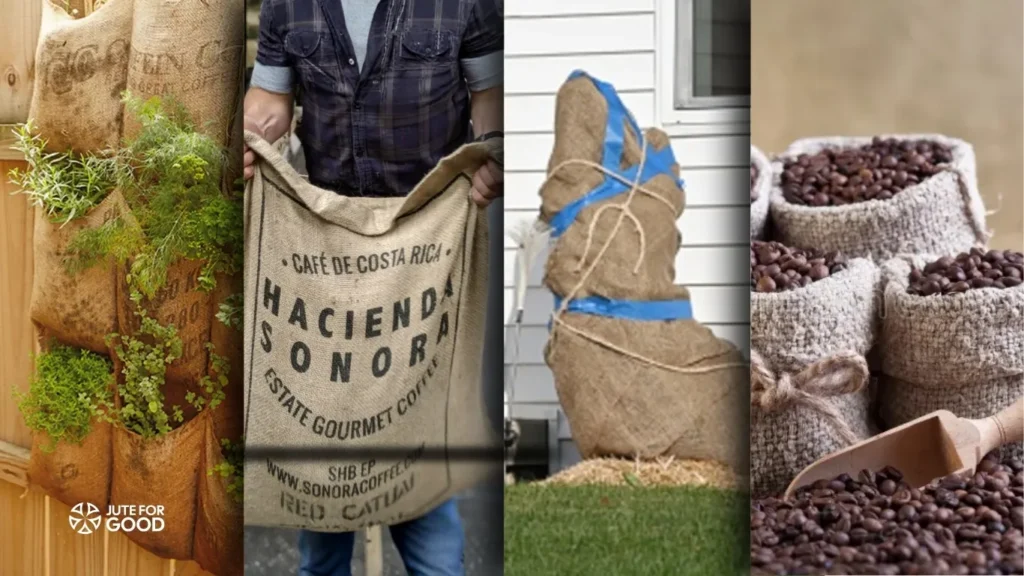
In the landscaping and agricultural sectors, hessian is widely used for root ball wrapping in tree nurseries, frost protection, weed suppression, and erosion control on construction sites. Its natural degradation over time is advantageous in soil restoration and reforestation projects, where temporary support is needed without long-term waste.
The fabric has also found a place in decorative and interior design applications. Its rustic texture and organic appearance lend themselves to home décor items like table runners, cushions, curtains, and upholstery accents. Event planners frequently use dyed or printed burlap for weddings, seasonal displays, and craft installations that require both aesthetic appeal and durability.
More recently, hessian has been adopted in eco-conscious industries seeking alternatives to plastic. It is used in sustainable packaging, composite materials, and non-woven products. In geotextiles, hessian cloth is integrated into erosion control mats and plant protection fabrics, further expanding its relevance in environmental engineering.
Sourcing and Evaluating Burlap or Hessian Fabric
When selecting hessian fabric, understanding its specifications is essential to ensure performance matches application. The most critical metric is fabric weight, typically measured in ounces per square yard. Lightweight hessian, ranging from 5 to 7 oz, is best suited for crafts, décor, and light wrapping. Medium weights around 8 to 10 oz work well for nursery use and general-purpose packaging. For heavy-duty applications like industrial sacks or erosion control, 11 oz and above provide the required durability.
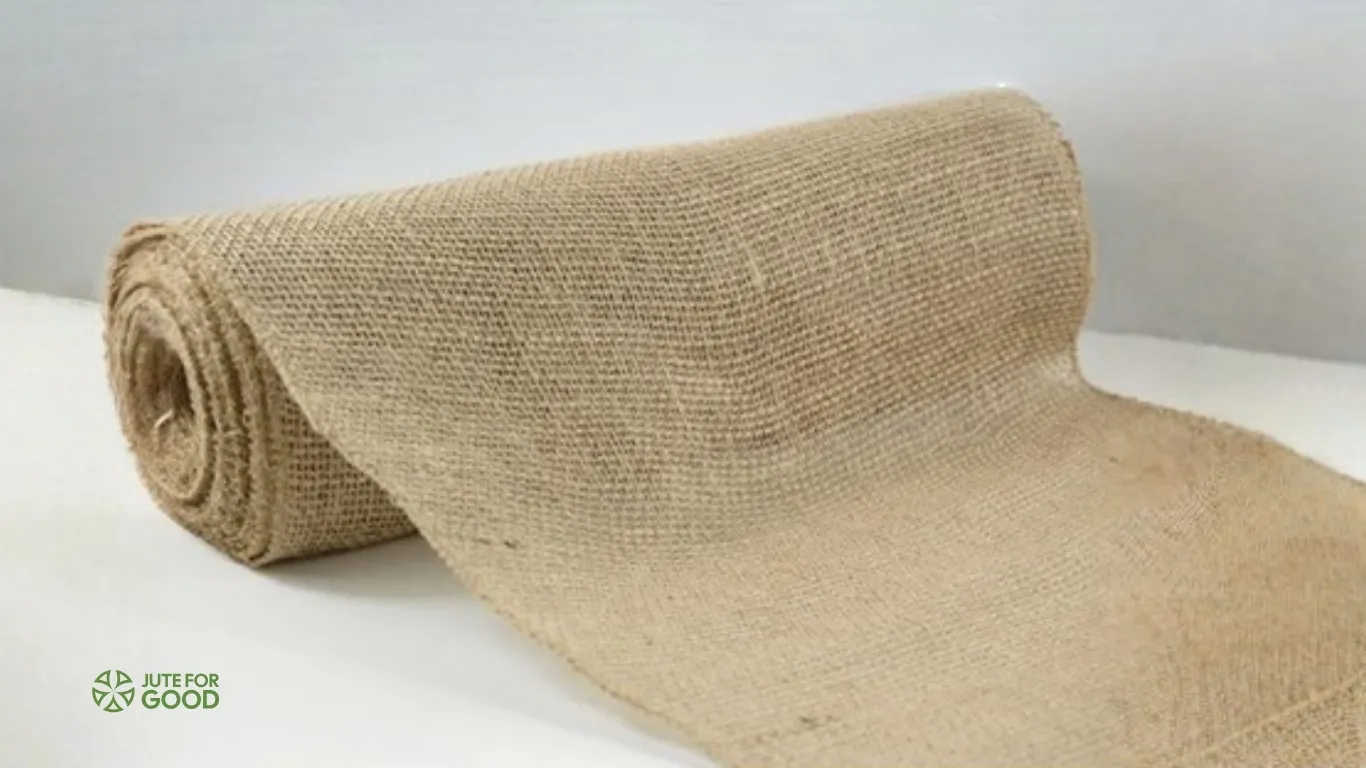
Width is another factor to consider. Standard rolls often come in widths of 40 or 60 inches, but wider formats are available for commercial use. Buyers should also evaluate finish treatments. Untreated hessian retains its full biodegradability, while laminated or fire-retardant versions offer enhanced performance at the cost of reduced environmental purity.
Verifying fibre composition is essential, especially for buyers prioritizing natural materials. While most hessian is 100% jute, some commercial variants may include polyester or other synthetic blends. These blends can compromise biodegradability and introduce performance trade-offs.
Reputable sourcing is equally important. High-quality hessian is typically produced in India or Bangladesh, where jute cultivation is deeply integrated with regional economies. Look for suppliers offering GOTS (Global Organic Textile Standard) or OEKO-TEX certifications to ensure eco-compliance and social responsibility throughout the supply chain.
Whether you are purchasing for industrial use, retail, or craft purposes, evaluating hessian by weight, weave uniformity, edge treatment, and fibre purity will help ensure optimal material performance and longevity.
Care, Maintenance, and Handling of Hessian Fabric
While hessian is prized for its strength and sustainability, proper care is essential to preserve its integrity and appearance. Due to its coarse weave and natural jute composition, hessian is not suited for machine washing. Water exposure can cause the fabric to weaken, shrink, or fray. Spot cleaning with a damp cloth and mild soap is recommended for most applications, especially in decorative or craft contexts. For odour removal or light sanitization, baking soda and sun exposure provide a chemical-free alternative.
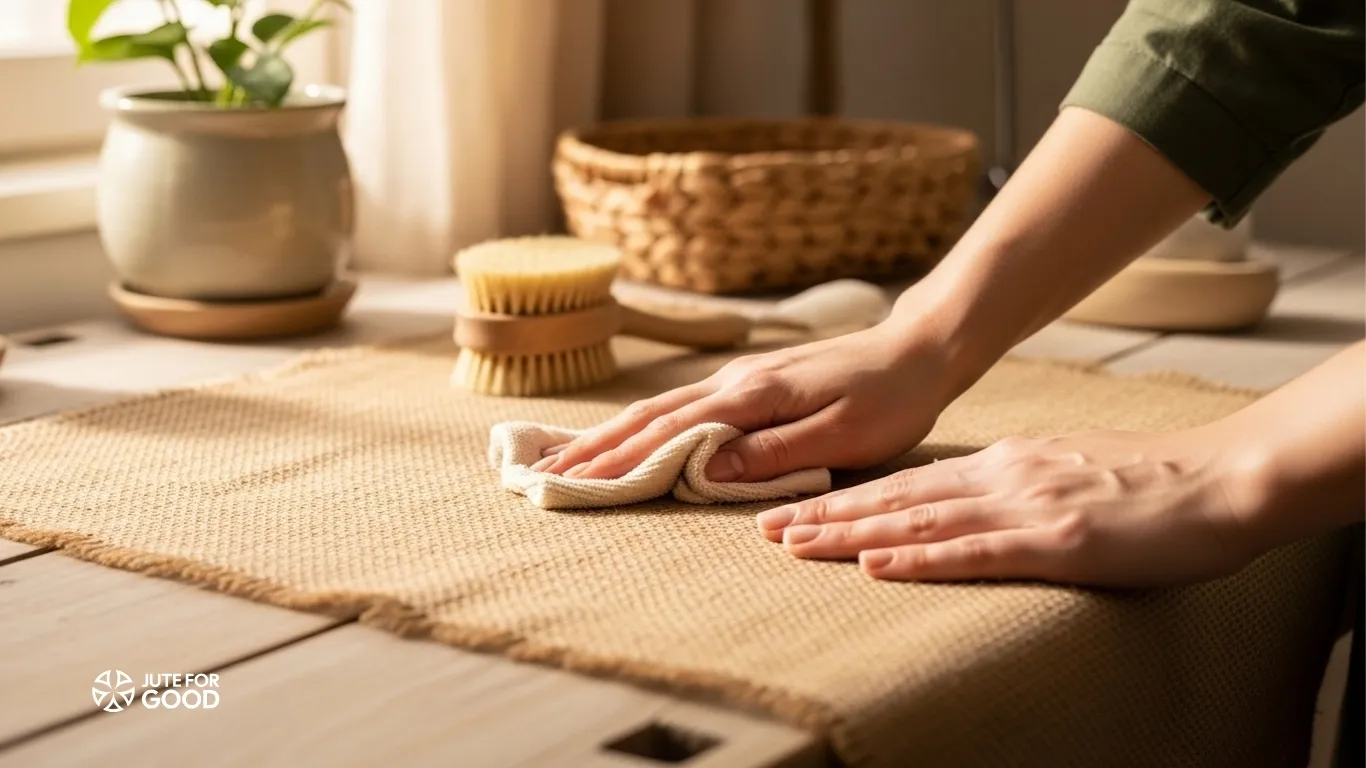
Storage conditions are equally critical. Hessian should be kept in a cool, dry, and well-ventilated environment to prevent mould, mildew, and insect damage. Rolling the fabric loosely rather than folding helps avoid permanent creases and deformation. For long-term storage, especially in humid climates, sealing the fabric in breathable cotton bags can provide an added layer of protection.
To enhance durability during use, especially at cut edges or seams, hemming or binding is advised. This prevents fraying, a common issue due to the loose plain weave of the fabric. If the hessian is used outdoors or in environments with prolonged sun exposure, consider UV-treated or laminated versions to extend its usable life.
Although it is not a high-maintenance material, hessian requires thoughtful handling to maximize both functional lifespan and visual appeal. With the right care, it remains an effective and eco-conscious choice for years of practical and aesthetic applications.
Environmental and Sustainability Impact
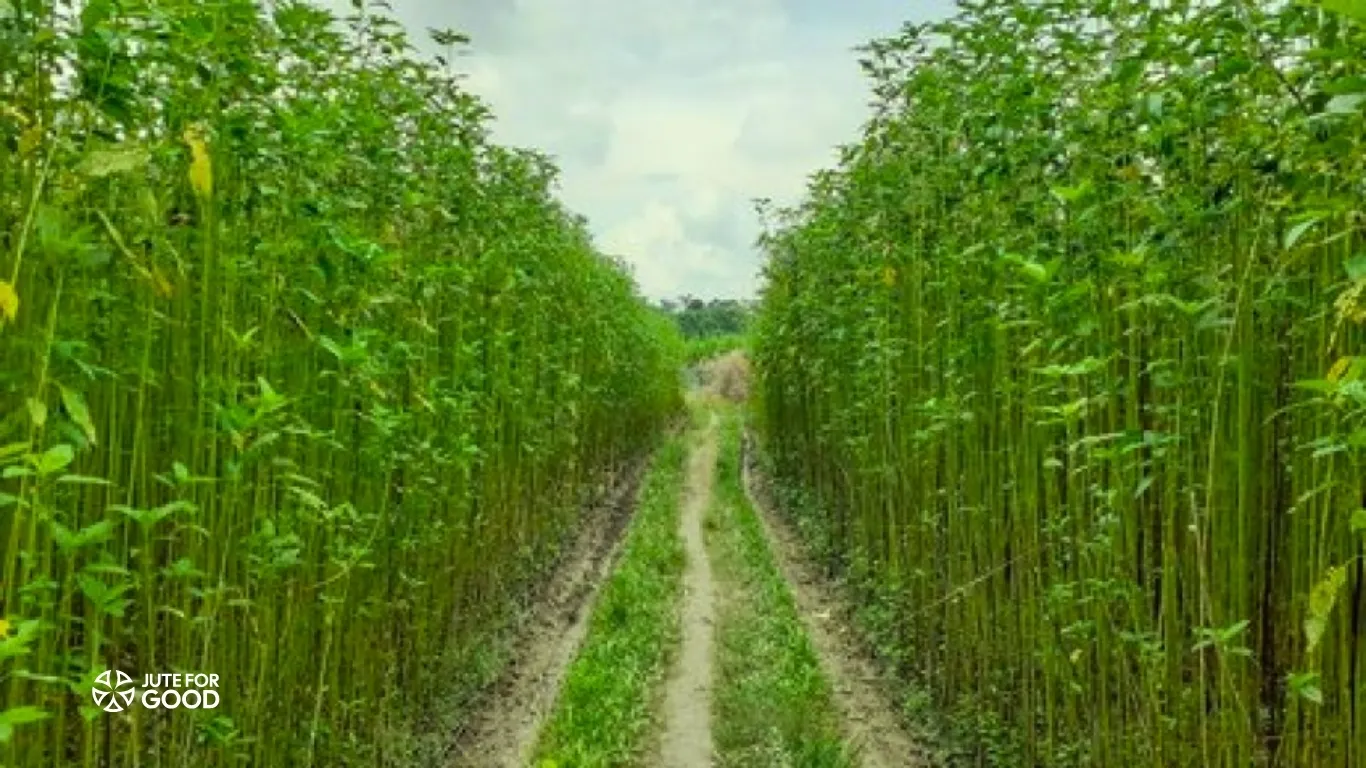
Hessian cloth stands out not only for its functional durability but also for its environmental credentials. Made from jute a fast-growing, rain-fed crop that requires minimal pesticide and fertilizer input hessian fabric offers a significantly lower ecological footprint than many synthetic alternatives. Jute cultivation also contributes positively to carbon sequestration, with one hectare of jute absorbing up to 15 tons of CO₂ and releasing 11 tons of oxygen during its 120-day growing cycle.
The biodegradability of hessian is a defining strength. When untreated, the fabric decomposes naturally within months, leaving no toxic residue. This quality makes it ideal for temporary applications like erosion control, plant wrapping, and sustainable packaging, where materials must return harmlessly to the environment after use.
Beyond its ecological benefits, hessian supports socio-economic sustainability in its regions of origin. In countries like Bangladesh and India, the jute industry employs millions of workers, many of whom are women. The production of hessian fabric is deeply intertwined with rural economies, helping to preserve traditional agricultural practices while contributing to modern green industries.
However, not all hessian is equally sustainable. Laminated, dyed, or chemically treated variants may reduce biodegradability and introduce pollutants. Buyers focused on environmental impact should seek untreated or organically certified hessian and confirm that it is free from synthetic additives.
In a global context increasingly focused on circular economies and material life cycles, hessian offers a rare combination of strength, utility, and ecological integrity. It is both a legacy textile and a forward-looking solution for a more sustainable material future.
Conclusion
Hessian cloth, or burlap, is a durable, breathable, and biodegradable fabric made from jute. Its versatility spans packaging, agriculture, home décor, and eco-friendly design. With the right grade and proper care, it offers both functional reliability and environmental value. As demand grows for sustainable materials, hessian remains a trusted, low-impact choice for a wide range of practical and creative uses.
Frequently Asked Questions About Hessian (Burlap) Fabric
1. What is the difference between Hessian and Burlap?
Both terms refer to the same natural fabric made from jute fibres. “Hessian” is the name used in the UK, Europe, and Commonwealth countries, while “Burlap” is the preferred term in North America. The properties, texture, and use are identical only the name differs.
2. Can Hessian or Burlap be washed?
It’s not recommended to machine-wash hessian or burlap. The fabric can shrink, stretch, or fray easily. For light cleaning, spot cleaning or gentle hand washing with mild soap and cold water is best. Always air dry in a well-ventilated area avoid tumble drying.
3. Is Hessian fabric safe for food storage?
Yes, but only if it is untreated and food-grade. Raw jute hessian is commonly used for storing dry agricultural products like coffee beans, cocoa, or grains. However, fabrics treated with oils, dyes, or chemical finishes are not safe for direct food contact.
4. Does Hessian attract mould or pests?
Yes, if exposed to damp or poorly ventilated environments. Hessian absorbs moisture easily, which can lead to mould growth or attract insects. To prevent this, store it in a dry, airy space and ensure items packed in hessian are moisture-free.
5. What Hessian weight should I use for different applications?
- Light (5–7 oz): Suitable for crafts, decorations, and light wrapping.
- Medium (8–10 oz): Ideal for garden use, plant protection, and general packaging.
- Heavy (11 oz and above): Best for industrial sacks, erosion control, geotextiles, and heavy-duty applications.
6. Is all Burlap biodegradable?
Only untreated, 100% natural jute burlap is fully biodegradable and compostable. Laminated or synthetic-blended versions lose this property. Always check the specification if your project requires eco-friendly or compostable material.
7. How long does Hessian last outdoors?
Uncoated hessian typically breaks down within 2–6 months when exposed to rain, sunlight, and soil contact. For longer outdoor use, treated or coated variants can extend lifespan significantly, though they may no longer be biodegradable.
8. Can Hessian be dyed or printed on?
Yes. Hessian accepts natural or synthetic dyes quite well, though results can vary due to its coarse texture. For printing, screen printing and block printing are most effective on tightly woven grades.
9. Is Hessian eco-friendly?
Absolutely. Hessian or burlap is made from natural jute fibre, which is renewable, biodegradable, and compostable. It’s often used as a sustainable alternative to plastic in packaging and agriculture.
10. What are common uses of Hessian or Burlap?
Hessian is used across multiple industries from packaging and agriculture to home décor and erosion control. Common products include jute sacks, garden covers, wall décor, table runners, sandbags, and geotextile mats.