
Burlap is a fabric people often see in gardens, packaging, landscaping, and rustic decorations. It has a rough texture and natural appearance, but many people still ask: Is burlap biodegradable?
Yes. Natural burlap made from jute or other plant fibers is biodegradable. The Food and Agriculture Organization of the United Nations (FAO) identifies jute and other natural hard fibres as biodegradable. However, synthetic fibers, plastic lamination, and some treatments can change how a finished burlap product behaves after disposal.
How quickly burlap breaks down depends on the material itself and the conditions where it is placed. Moisture, temperature, soil activity, fabric thickness, and chemical treatments can all affect decomposition.
In this guide, we explain what burlap is made from, how long burlap takes to decompose, whether it is compostable, and what to check when choosing biodegradable burlap.
What Is Burlap Made Of?
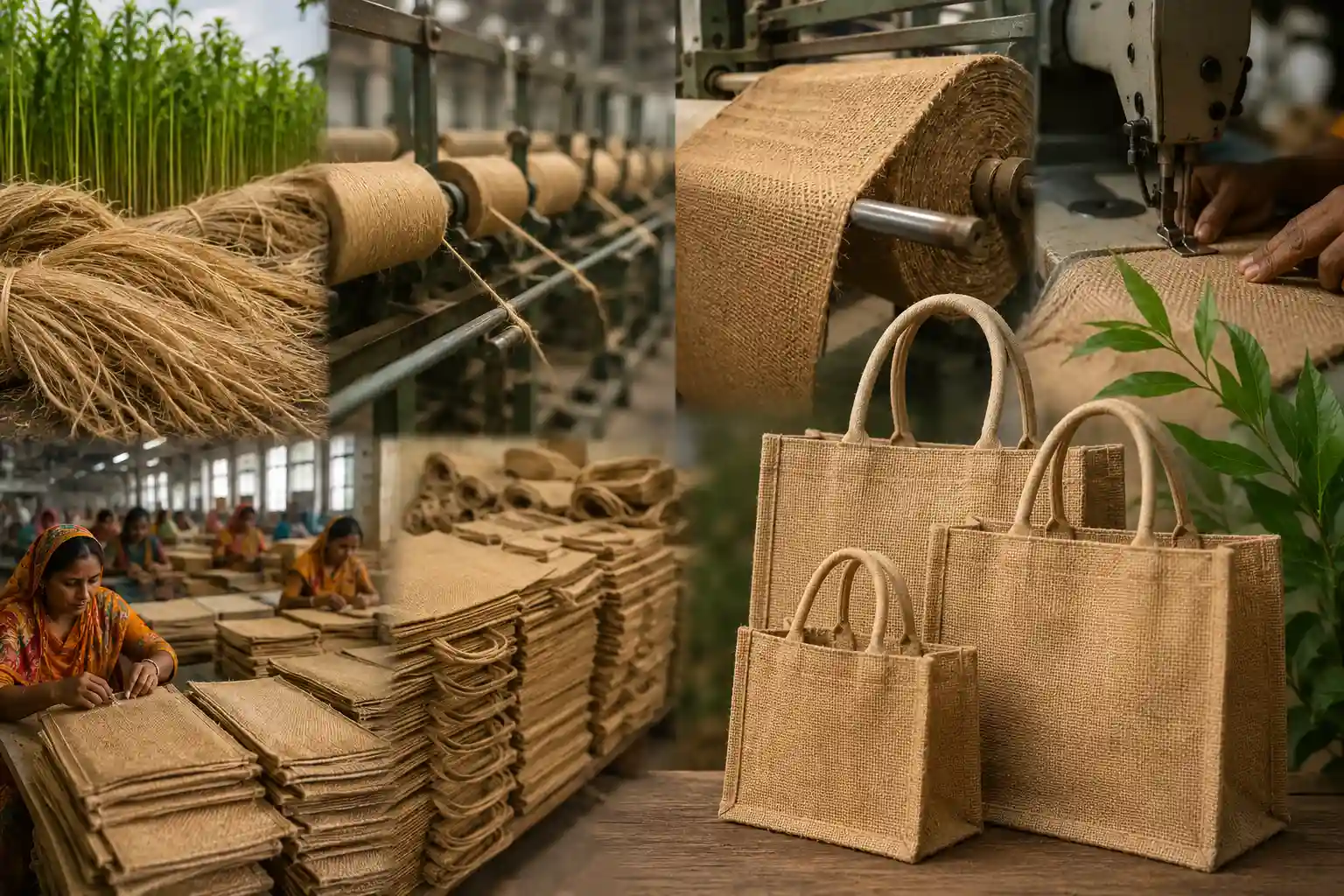
Burlap is a coarse woven fabric usually made from jute. It may also be produced from other natural plant fibers. Jute is widely used because its fibers can be spun into strong yarn and woven into fabrics for packaging, agriculture, landscaping, crafts, and industrial applications.
Natural jute fiber is biodegradable. FAO lists jute among natural fibres that can biodegrade rather than persist like conventional synthetic plastics.
However, not all products sold as burlap have the same composition.
Some may contain:
- Polyester or other synthetic fibers
- Plastic backing or lamination
- Waterproof finishes
- Fire-retardant treatments
- Dyes or other surface treatments
Penn State Extension notes that synthetic burlap is made from plastic and does not decay in soil in the same way as natural burlap.
So, before deciding whether a specific piece of burlap is biodegradable, check its fiber composition and any treatments applied to it.

What Does “Biodegradable” Really Mean?
A biodegradable material can be broken down through biological processes involving microorganisms such as bacteria and fungi.
Three terms are often confused:
- Biodegradable: The material can break down naturally through biological activity.
- Compostable: The material can break down under suitable composting conditions and become part of the resulting organic matter.
- Recyclable: The material can potentially be collected and processed into another usable material.
Natural jute burlap falls within the biodegradable category. Whether a finished burlap product is also suitable for home composting depends on its composition, dyes, coatings, stitching, and other treatments.
How Long Does Burlap Take to Decompose?
Natural burlap can begin decomposing within a few months, but complete breakdown may take up to a couple of years depending on the material and environmental conditions.
There is no single decomposition time that applies to every piece of burlap.
University of Illinois Extension notes that natural burlap may decompose in as little as several months under favorable conditions but can also take up to about two years. Chemically treated burlap may remain much longer.
Several factors affect how long burlap takes to decompose:
- Moisture: Damp conditions generally support biological decomposition better than very dry conditions.
- Temperature: Microbial activity is generally greater under suitable warmer conditions than in cold environments.
- Soil activity: Soil containing active microorganisms supports the breakdown of natural fibers.
- Oxygen: Aeration influences microbial decomposition.
- Fabric thickness: Heavy or tightly woven burlap can take longer to break down than lighter fabric.
- Piece size: Smaller pieces expose more material to decomposing organisms.
- Chemical treatment: Treatments designed to preserve the fabric can slow decomposition significantly.
This explains why two pieces of natural burlap can decompose at very different rates even when they are made from the same basic fiber.
Does Burlap Decompose in Soil?
Yes. Natural jute burlap does decompose in soil, although the rate depends on environmental conditions and whether the material has been treated.
Natural-fiber burlap and synthetic burlap should not be treated as interchangeable materials. Penn State Extension warns that synthetic burlap does not decay in soil, while University of Washington guidance similarly distinguishes decomposable natural-fiber burlap from synthetic alternatives.
If biodegradability is important for gardening, landscaping, erosion control, or another soil-based application, choose burlap made from natural fibers and check that the product does not contain plastic components.
Burlap vs. Synthetic Fabrics
Natural burlap and synthetic fabrics behave differently after disposal.
Natural burlap made from jute is plant-based and biodegradable. Synthetic burlap may be made partly or entirely from plastic-based fibers and should not be expected to break down like natural jute.
The important distinction is therefore not simply burlap vs. plastic, but:
untreated natural-fiber burlap vs. synthetic, laminated, or heavily treated burlap.
Some finished jute fabrics are intentionally laminated with PE or PP to improve moisture resistance and surface protection. Jute For Good, for example, lists both 100% natural jute fabric and laminated jute fabric among different product specifications. These products serve different purposes and should not be treated as environmentally identical.

Is Burlap Compostable?
Natural, untreated burlap can be composted.
For better results:
- Check that the burlap is made from natural fiber.
- Remove plastic liners, labels, staples, hooks, or other non-compostable components.
- Cut large pieces into smaller sections.
- Mix the burlap with other compostable materials.
- Maintain suitable moisture and aeration.
- Allow enough time for the fibers to break down.
Cutting organic material into smaller pieces and maintaining aeration can support faster decomposition in a compost pile. Composting guidance from university extension programs also emphasizes moisture, aeration, and a suitable balance of materials as important conditions for decomposition.
Avoid adding burlap to home compost if you cannot determine whether it contains synthetic fibers, plastic lamination, or treatments that are unsuitable for composting.
When Burlap Is Not Eco-Friendly
Burlap is often associated with sustainability, but biodegradable does not automatically mean every burlap product has the same environmental impact.
Pay attention to:
- Synthetic blends: Plastic-based fibers do not biodegrade like natural jute.
- Plastic lamination: PE- or PP-laminated fabric contains a plastic component even when the base fabric is jute.
- Chemical treatments: Some treatments are designed specifically to increase durability or slow deterioration.
- Unidentified dyes or finishes: These may make a product unsuitable for certain composting or garden applications.
- Single-use consumption: Reusing durable burlap before disposal generally gets more utility from the material.
Instead of using a burn test to identify the material, check the product specification, fiber composition, treatment details, or supplier documentation.
Is Burlap Eco-Friendly?
Natural jute burlap can be an environmentally preferable material for many applications because jute is a renewable natural fiber and is biodegradable. FAO identifies biodegradability and renewable sourcing among the environmental advantages associated with jute and other natural fibres.
However, the environmental impact of a finished burlap product also depends on factors such as processing, dyeing, finishing, lamination, transportation, reuse, and end-of-life handling.
For buyers specifically looking for biodegradable material, 100% natural, untreated jute burlap is a better fit than plastic-backed or synthetic burlap.
Practical Uses of Biodegradable Burlap
Natural burlap is used across gardening, landscaping, packaging, agriculture, erosion control, crafts, and décor.
Its combination of strength, breathability, natural-fiber construction, and eventual biodegradability makes it useful for applications where synthetic fabric is not always necessary. Natural-fiber erosion-control materials, including burlap and jute, are also recognized by government and extension guidance for temporary soil-protection applications.
1. Gardening and Landscaping
Burlap can be used in gardens and landscapes for:
- Plant protection
- Temporary soil covering
- Weed suppression
- Frost and wind protection
- Nursery applications
- Erosion control
For applications where the fabric will remain in contact with soil, use natural, untreated burlap rather than synthetic burlap.
2. Packaging
Natural burlap is widely used to make agricultural and commercial packaging.
Common applications include:
- Jute sacks
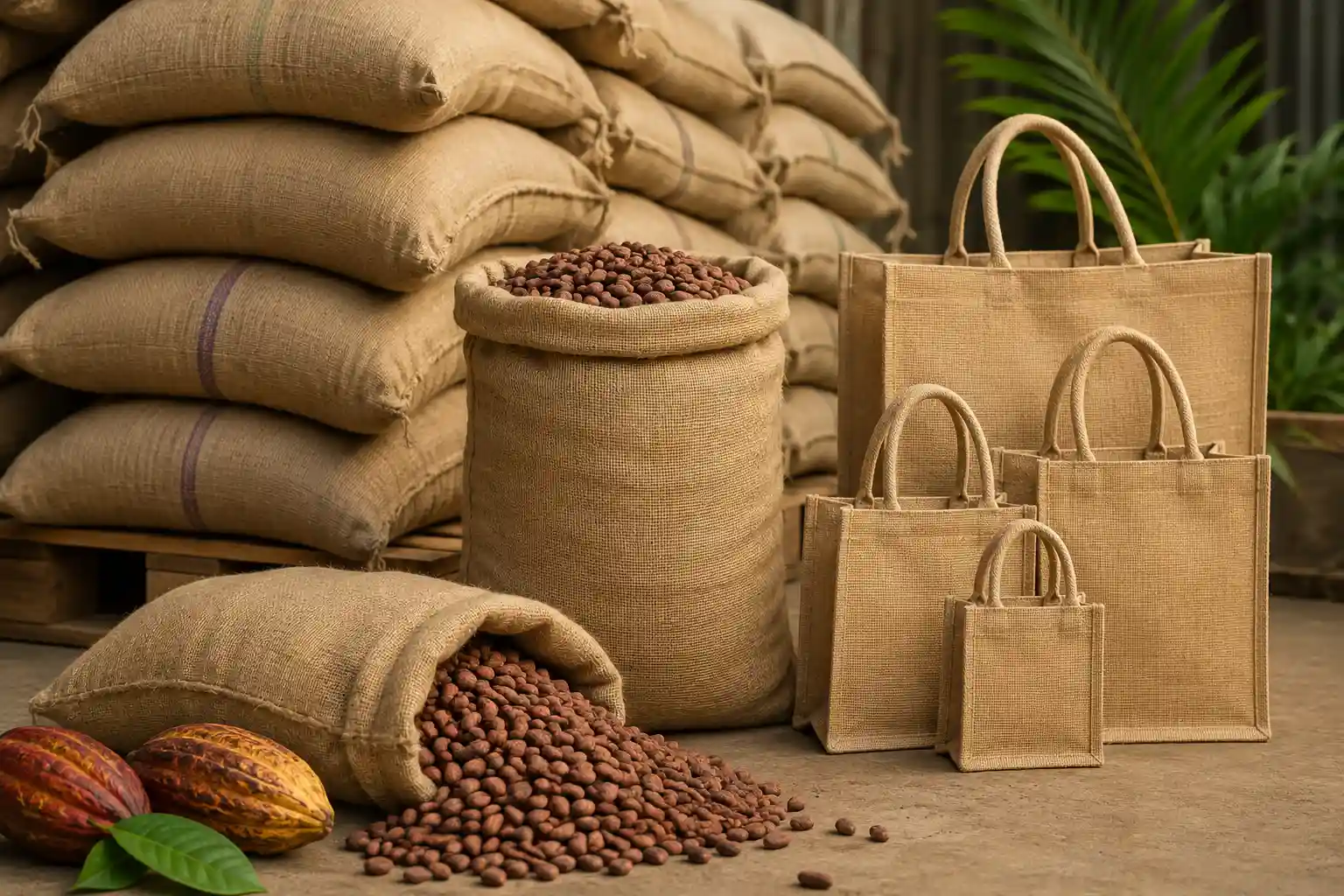
- Coffee and cocoa bags
- Grain and agricultural sacks
- Produce packaging
- Reusable shopping bags
- Gift packaging
- Protective wrapping
Because different packaging applications require different strength, weave, GSM, and finishing specifications, biodegradability should be evaluated together with the product’s complete construction.
3. Crafts, Events, and Home Décor
Burlap’s natural texture also makes it suitable for:
- Wedding table runners
- Bows and banners
- Floral wrapping
- Wall décor
- Storage baskets
- Cushion covers
- Rustic packaging
- Handmade products
Decorative burlap is more likely to be dyed, printed, coated, or combined with other materials, so check its composition before composting it.
4. Erosion Control
Jute and burlap fabrics can also provide temporary surface protection while vegetation becomes established.
FAO documentation recognizes jute fibres in biodegradable geotextile applications, while government erosion-control guidance includes natural-fiber products such as burlap and jute among available biodegradable options.
5. Composting and Disposal
Before disposing of natural burlap, consider whether it can be reused.
At the end of its useful life:
- Reuse clean burlap bags or fabric where practical.
- Remove synthetic accessories and plastic components.
- Cut untreated natural burlap into smaller pieces for composting.
- Keep laminated or synthetic burlap out of home compost.
- Follow local waste rules when the material cannot be composted or reused.

How to Choose Biodegradable Burlap for Bulk Buying?
For commercial buyers, asking whether burlap is “natural” is only the first step.
When biodegradability matters, check the complete product specification before placing a bulk order.
1. Confirm the Fiber Composition
Ask whether the fabric is 100% natural jute or contains another fiber.
This matters because natural jute and synthetic burlap behave differently after disposal.
2. Check the Finish and Treatment
Confirm whether the fabric is:
- Natural
- Dyed
- Bleached
- Rot-proofed
- Fire-retardant
- Laminated
- Otherwise chemically treated
The appropriate specification depends on the final application. A treatment that improves performance for one use may make the fabric less suitable for another.
3. Confirm Whether It Is Laminated
Jute fabric may be laminated with materials such as PE or PP when additional surface or moisture protection is required.
If the objective is a fully natural burlap construction, specify non-laminated jute fabric.
4. Select the Right GSM and Weave
GSM, weave density, width, and fabric construction affect strength, handling, appearance, and intended use.
Jute For Good’s current fabric range, for example, includes natural jute burlap, hessian fabric, landscape fabric, erosion-control fabric, dyed fabric, and other constructions with buyer-specified GSM, widths, weaves, and finishes.
5. Match the Specification to the End Use
A buyer sourcing burlap for compostable garden applications may need a different construction from a buyer sourcing fabric for industrial packaging, printed bags, décor, or moisture-resistant applications.
Define the intended use before choosing the finish.
Frequently Asked Questions
How long does burlap take to decompose in soil?
Natural burlap may begin breaking down within several months, but complete decomposition can take up to around two years depending on moisture, temperature, microbial activity, fabric thickness, and treatment. University of Illinois Extension notes that natural burlap can take anywhere from several months to a couple of years, while treated burlap can remain much longer.
Does burlap decompose?
Yes. Burlap made from natural jute or other plant fibers can decompose through biological activity. Synthetic burlap does not decompose in the same way, so the material composition should always be checked first.
Do burlap bags decompose?
Yes, natural jute burlap bags can decompose. However, decomposition time varies according to fabric weight, environmental conditions, and whether the bag contains synthetic stitching, liners, coatings, or chemical treatments.
Remove non-natural components before composting or placing the material in a situation where biodegradation is expected.
Is burlap compostable?
Natural, untreated burlap can be composted. Cut it into smaller pieces and remove plastic, metal, synthetic stitching, liners, or other non-compostable components first.
Can burlap be composted at home?
Untreated natural jute burlap can be added to a suitable home compost system. Smaller pieces generally break down more efficiently, while adequate moisture and aeration support the composting process.
Is burlap toxic?
Natural jute fiber itself should be distinguished from the dyes, coatings, treatments, adhesives, laminates, or synthetic components that may be added to a finished burlap product.
For gardening or composting, choose material with a known composition and avoid products with unidentified treatments.
Is burlap safe for vegetable gardens?
Untreated natural burlap is commonly used for gardening and landscaping applications. University of Maryland Extension, for example, identifies untreated burlap as a biodegradable temporary soil covering for erosion management.
For food-growing areas, use burlap with a known natural-fiber composition and avoid unidentified coatings or treatments.
Is burlap recyclable?
Whether burlap is accepted for recycling depends on the recycling facilities and textile programs available in your location.
Natural burlap can often be reused, repurposed, or composted instead. Check local recycling rules before placing burlap in a recycling container.
Is burlap eco-friendly?
Natural jute burlap can offer environmental advantages because jute is renewable and biodegradable. However, environmental performance also depends on processing, treatments, transportation, product lifespan, reuse, and disposal.
What is the difference between burlap and hessian?
Burlap and hessian generally describe closely related coarse woven fabrics, commonly made from jute. “Burlap” is especially common terminology in North America, while “hessian” is widely used in other markets.
For buyers, specifications such as GSM, weave, width, finish, and treatment are more important than relying on the name alone.
How long does hessian take to break down?
Natural jute hessian breaks down under the same general biological processes as natural jute burlap. The exact time depends on moisture, temperature, weave, fabric weight, microbial activity, and whether the hessian has been treated.
Does dyed burlap decompose?
The underlying natural jute fiber remains biodegradable, but a dyed burlap product should not automatically be considered suitable for composting.
Its suitability depends on the dye, other treatments, and any additional synthetic components used in the finished fabric.
Conclusion
Natural jute burlap is biodegradable, but not every product sold as burlap has the same composition.
Untreated natural burlap can gradually decompose through biological activity, while synthetic fibers, plastic lamination, and some treatments can significantly change its end-of-life behavior. Depending on the fabric and environmental conditions, natural burlap may break down within several months or take up to a couple of years.
If biodegradability is important, check the fiber composition, treatment, lamination, GSM, weave, and intended use before buying.
For commercial sourcing, choosing the right specification matters just as much as choosing jute itself.