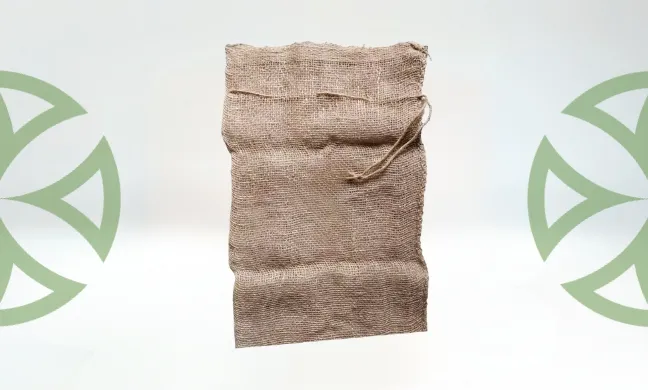
We manufacture and export jute sack bags used for food grains, coffee, cocoa and industrial packing. Our production supports bulk supply for importers, commodity traders and packaging distributors sourcing from Bangladesh.
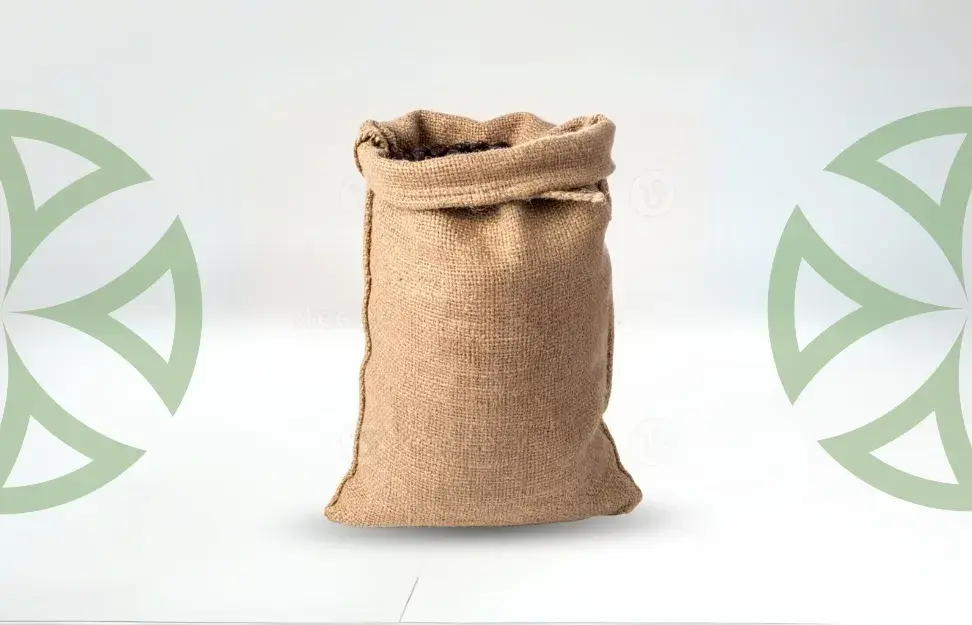
We supply jute products in bulk quantities for agricultural handling, retail packing, construction, industrial transport and other purpose. Our Manufacturing focuses on load tolerance, fabric consistency,cost control.
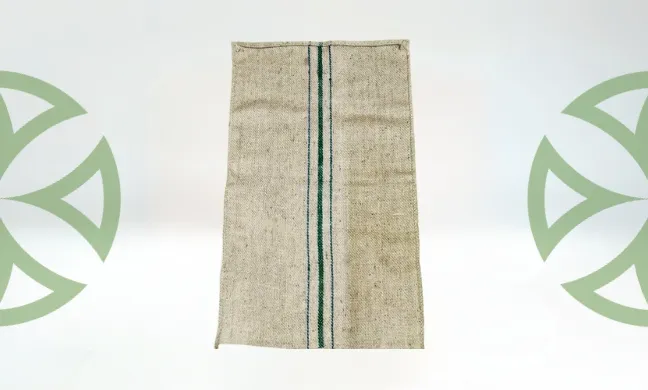
A jute sack bag offers a simple, durable, and eco-friendly option for...
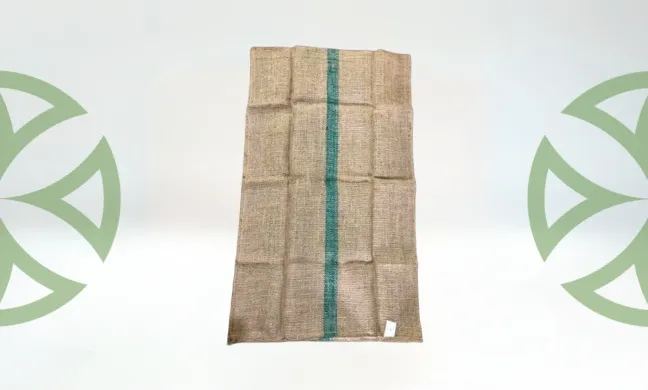
One Stripe Jute Sack is a strong, reusable, and biodegradable sack made...
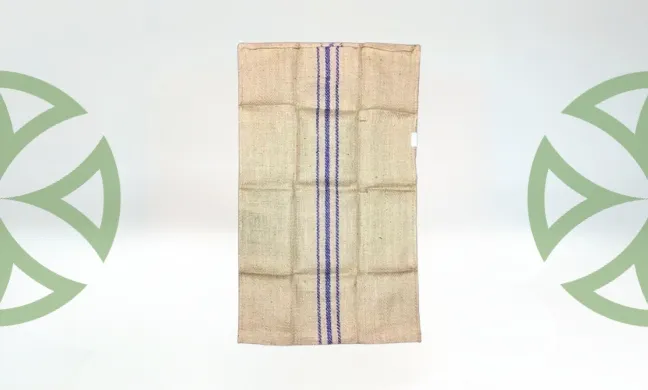
The three stripe jute bag is a stylish and practical carry bag...
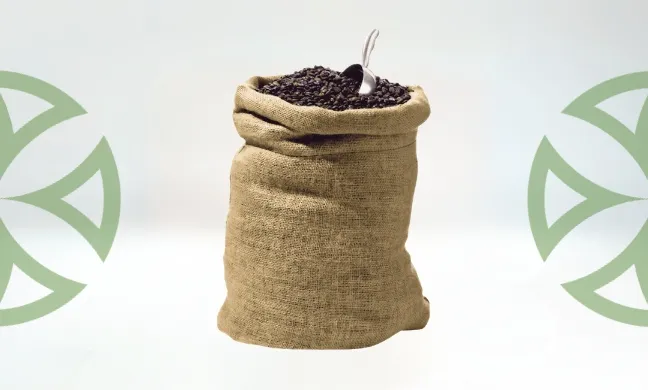
Burlap coffee bags are the traditional choice for storing and shipping coffee...
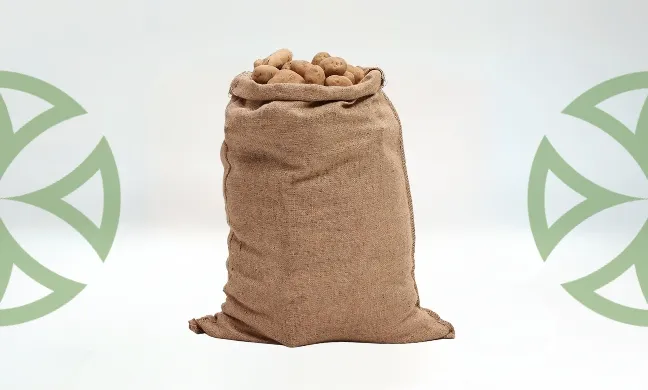
Jute Potato Bags are strong, natural sacks used for storing and transporting...
Our jute bags are supplied across sectors that require breathable, fiber-based packaging rather than synthetic alternatives.
Jute bags are used in crop handling where airflow is necessary to limit moisture buildup during storage and transport. The open fiber structure allows ventilation for grains, seeds, and harvested produce without sealing in humidity. They are also used for farm-level transport where bags are handled multiple times over short durations.
These jute bags are used for dry food and other non-liquid products where natural fiber sacks are specified instead of plastic or laminated packaging. The material allows ventilation while maintaining shape under filled conditions. Applications include primary containment, internal movement, and outbound shipping of dry goods.
In retail use, jute bags function as carry bags and secondary packaging for distribution to end customers. The woven construction tolerates repeated handling without reinforcement or coatings. They are typically used where simple packaging is sufficient and reuse is expected during short-term circulation.
Jute sacks are applied to dry bulk materials that require containment during handling and transport rather than sealed storage. Common uses include construction-related materials and bulk movement, where airflow does not affect product quality. The bags support stacking, loading, and transfer within industrial operations.
Jute bags are used for storage and general utility where fabric load strength is required. Typical uses include holding dry items, organizing materials, temporary storage and others pourpose. They are also used in garden settings for seasonal handling and material collection.
Jute bags are used in export logistics for overseas shipments where natural fiber sacks are accepted under buyer and port handling practices. They are applied to dry goods moving through international transport and warehousing. Jute is widely used in trade lanes where traditional sack packaging is still standard.
Our production supports consistent supply, export documentation accuracy, and specification-based manufacturing for international buyers.
Produced from natural jute fiber without synthetic coatings or plastic blends.
Crafted from strong, long-lasting materials designed to handle heavy loads and repeated use.
Strong and long-lasting material that can handle heavy loads and repeated use
Available in a variety of sizes, colors, and designs, with custom printing options to match your unique requirements.
Affordable pricing combined with excellent value for money and attractive bulk order discounts.
Can be reused multiple times and recycled at the end of their life, helping reduce waste and environmental impact.
Our meticulous 6-step process ensures every jute bag meets the highest standards of quality and durability.
1
Jute fiber is sourced based on grade and fiber length required for sack weaving.
2
The jute fibers are cleaned, sorted, and processed to remove impurities and prepare for weaving.
3
Skilled craftsmen weave the processed fibers using traditional and modern techniques.
4
The woven jute fabric is precisely cut and shaped according to specific bag dimensions.
5
Expert seamsters stitch the cut pieces together using heavy-duty threads for maximum durability
6
Each bag undergoes rigorous quality testing to ensure it meets our high standards.
Trusted by businesses worldwide for premium jute products and exceptional service.
Jute bags are made from natural jute fiber spun into yarn and woven into sack-grade fabric. The material allows airflow and supports dry goods packing.
Jute bags are produced from natural jute fiber and do not require synthetic polymers in their base construction. The material breaks down naturally after disposal under normal environmental conditions. Bags can be reused multiple times in handling and transport cycles and are commonly recycled or repurposed after primary use, reducing dependence on plastic-based sacks.
Absolutely.
Jute bags can be manufactured with variations in size, handle configuration, fabric weight, gusset depth, and printing layout. Logo and text printing is applied directly to the fabric using inks suitable for natural fibers. Customization is commonly used for retail identification, batch marking, and product labeling rather than decorative purposes.
Yes. Export-grade jute bags are manufactured according to specifications commonly accepted in international trade for natural fiber packaging. This includes compliance with buyer requirements, port handling practices, and documentation standards used in cross-border shipments. Bags are suitable for use in agricultural and industrial export logistics
Jute is widely used in industrial and agricultural packaging due to its tensile strength and suitability for bulk handling. Jute bags are applied across sectors where dry goods require breathable containment during storage and transport. The following types are commonly supplied for international markets.
Jute sack bags are standard bulk packaging units used across agricultural and industrial supply chains. Available capacities range from 25 kg to 100 kg and are used for grains, pulses, sugar, rice, and raw materials.
2. A Twill Jute Bags
A Twill jute bags are heavy-duty sacks used primarily for food grains and staple crops. The standard size is 94 × 56 cm with a fabric weight of 665 gsm, providing higher load tolerance.
B Twill jute bags use a lighter fabric compared to A Twill while maintaining functional load capacity. Standard dimensions are 112 × 67 cm with a 576 gsm fabric weight.
Jute coffee bags are used in green coffee exports where airflow is required to preserve bean condition during transit. Typical capacity ranges between 60 kg and 70 kg.
Jute sand bags are manufactured from coarse jute fabric with reinforced seams to support dense fill material. Applications include flood control, construction, and temporary load containment.
The 50 kg jute bag is a standard size used across food and industrial sectors. Pricing depends on fabric weight, bag dimensions, lamination requirements, and order volume. Cost efficiency increases with bulk production and direct factory supply.
Our experience, quality, and reliable supply chain make us a trusted jute exporter worldwide.
United States
Canada
Maxico
United Kingdom
France
Germany
Spain
Netherlands
Belgium
Ireland
Indonesia
Philippines
Malaysia
Thailand
Vietnam
Japan
Papua New Guinea
Sri Lanka
Pakistan
United Arab Emirates
Saudi Arabia
Oman
Nigeria
Ghana
Kenya
Uganda
Ethiopia
South Africa
Egypt
Algeria
Brazil
Argentina
Ecuador
Colombia
Chile