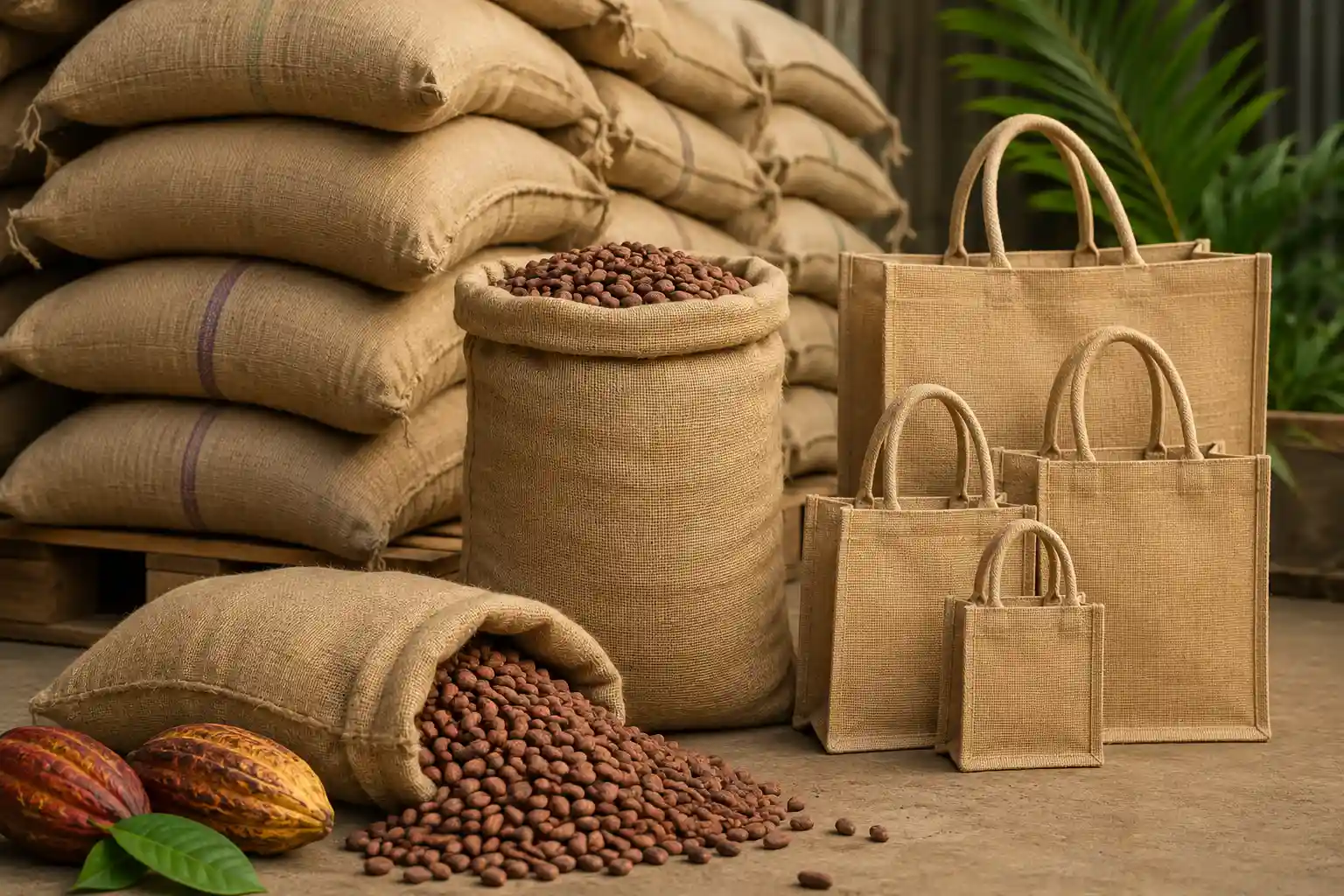

Burlap coffee bean sacks remain the standard packaging for green coffee across the global trade. The USDA forecasts world coffee production at a record 178.8 million 60 kg bags for 2025/26, and a large share of that coffee continues to move in woven jute sacks.
These breathable and durable bags protect green coffee during storage, handling, and long-distance sea transport. However, specifications vary by capacity, fabric weight, weave, stitching, and food-grade treatment.
This guide explains what burlap coffee sacks are, how burlap differs from jute and hessian, and the main product variations available to wholesale buyers. It also covers standard bag weight, food-grade VOT requirements, container-loading figures, and the factory-direct buying process in Bangladesh.
What Are Burlap Coffee Bean Sacks?
Burlap coffee bean sacks are woven bags made from 100% natural jute fiber, used to store and transport green (unroasted) coffee beans. A standard sack holds 60 kg of coffee, allows airflow to control moisture, and biodegrades after use. Coffee exporters, importers, traders, and roasters use these sacks across the global supply chain.
The 60 kg jute coffee bag originated in Brazil and became the worldwide trade standard. The Food and Agriculture Organization (FAO) and the International Coffee Organization (ICO) still measure global coffee production in 60 kg bags. In other words, the burlap sack is both a packaging product and a unit of measurement in the coffee industry.
Green coffee beans stay in jute sacks from the farm or mill until they reach the roaster. Roasted coffee needs airtight packaging, so burlap serves only the green stage of the supply chain.
Is there any difference between Burlap, Jute, Hessian, or Gunny?
Burlap, hessian, and gunny all describe the same family of woven fabric made from jute fiber. Burlap is the common term in North America, hessian is used in the UK, Europe, and Australia, and gunny or gunny sack is common in South Asia and Africa. Jute is the plant fiber itself.
The table below shows how buyers in different markets use these terms.
| Term | Common region | Typical usage |
| Jute | Global | The raw fiber, yarn, and fabric category |
| Burlap | North America | Coffee sacks and fabric (“burlap coffee bags”) |
| Hessian | UK, Europe, Australia | Lighter woven jute cloth and bags |
| Gunny sack | South Asia, Africa | Heavy-duty sacks for grain and commodities |
Fabric weight is the practical difference buyers should watch. Hessian generally refers to lighter cloth in the 5 to 12 oz per 40 inch range, while sacking refers to heavier double warp fabric used for 69 kg to 100 kg bags. A supplier quoting in both GSM (grams per square meter) and ounces removes the confusion.
What are the Product Variations of Burlap Coffee Bean Sacks?
Burlap coffee bean sacks vary by capacity, fabric weight, weave, and treatment. The main wholesale variations are the 60 kg standard export sack, the 69 to 70 kg heavy-duty sacking bag, the 50 kg coffee bag, large double warp sacks holding up to 100 kg, and custom-printed versions of each.
The table below summarizes the specifications buyers request most often.
| Variation | Capacity | Typical dimensions | Fabric | Typical empty weight |
| Standard export sack | 60 kg | 102 x 71 cm (40″ x 28″) | 10 oz/40″ hessian, approx. 305 GSM, plain weave | 600 to 750 g |
| Heavy-duty sacking bag | 69 to 70 kg | 104 x 71 cm (41″ x 28″) | 11 to 12 oz/40″ heavy hessian | 750 to 900 g |
| 50 kg coffee bag | 50 kg | 100 x 65 cm | 10 oz/40″ hessian, approx. 305 GSM | 645 to 740 g |
| Double warp sack | Up to 100 kg | 115 x 75 cm | 410 to 475 GSM double warp | 900 g and above |
Each variation serves a different position in the coffee trade, explained below.
Standard 60 kg Coffee Export Sack
The standard 60 kg coffee sack is the global benchmark for green coffee exports. Coffee-producing countries across Africa, Central America, South America, and Asia commonly use this capacity, while international coffee statistics are also reported in 60 kg bag equivalents.
The sack is normally produced from breathable hessian or double-warp jute fabric with reinforced side and bottom stitching to reduce bean loss during handling and transport.

Typical specifications:
- Capacity: 60 kg of green coffee beans
- Standard size: Approximately 102 × 71 cm or 40 × 28 inches
- Material: 100% natural jute fiber
- Fabric type: Plain hessian or double-warp sacking
- Fabric weight: Approximately 305 GSM or buyer-specified
- Typical empty bag weight: 500–735 g
- Porter and shot: Commonly 8 × 8 or 11 × 12, depending on construction
- Stitching: Herakle/Hercules side and bottom stitching
- Mouth finish: Hemmed or selvedge mouth
- Treatment: Vegetable oil treated, hydrocarbon-free, or mineral oil treated
- Printing: Origin marks, lot numbers, exporter details, logos, and certification marks
- Packing: Hydraulic-pressed export bales
69 to 70 kg Heavy-Duty Coffee Sacking Bag
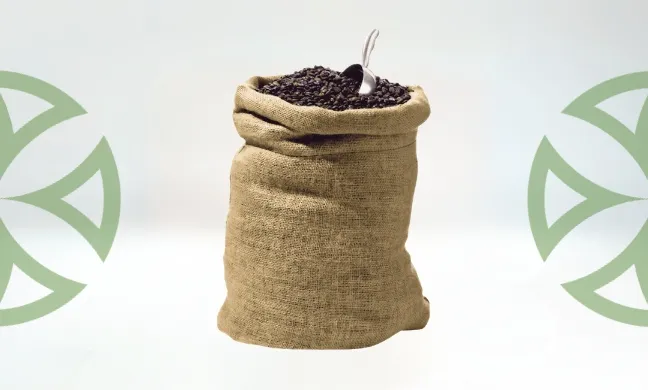
Colombia commonly exports green coffee in 70 kg bags, while some trade routes use approximately 69 kg units. Because these bags carry a heavier load, they require stronger fabric, reinforced stitching, and tighter construction than standard lightweight hessian sacks.
This variation is suitable for Colombian coffee mills, exporters, commodity traders, blenders, and distribution chains involving repeated manual handling.
Typical specifications:
- Capacity: 69–70 kg of green coffee beans
- Typical size: Approximately 104 × 71 cm or buyer-specified
- Material: 100% natural jute fiber
- Fabric type: Heavy hessian or sacking fabric
- Fabric weight: Approximately 11–12 oz per 40-inch width
- Typical empty bag weight: 750–900 g
- Weave: Plain or reinforced sacking weave
- Stitching: Reinforced Herakle/Hercules or double-lock stitching
- Mouth finish: Hemmed or selvedge mouth
- Treatment: Food-grade vegetable oil treatment available
- Printing: Country of origin, coffee grade, cooperative, lot code, and buyer branding
- Packing: Compressed export bales
50 kg Jute Coffee Bean Bag
A 50 kg jute coffee bag is suitable for smaller commercial lots, specialty coffee, micro-lots, and markets where lower manual handling weight is preferred. Its reduced filled weight can make loading, unloading, palletizing, and warehouse movement easier.
The dimensions can be adjusted according to bean density, pallet configuration, and buyer handling requirements.
Typical specifications:
- Capacity: 50 kg of green coffee beans
- Typical size: Approximately 100 × 65 cm
- Material: 100% natural jute fiber
- Fabric type: Hessian or lightweight sacking
- Fabric weight: Approximately 10 oz per 40-inch width or 305 GSM
- Typical empty bag weight: 645–740 g
- Weave: Plain weave
- Stitching: Herakle/Hercules side and bottom stitching
- Mouth finish: Hemmed or selvedge mouth
- Treatment: Vegetable oil treated or hydrocarbon-free
- Printing: Custom logo, origin, batch number, coffee grade, and certification details
- Packing: Export-standard pressed bales
Large-Capacity Double-Warp Sacks – Up to 100 kg
Double-warp coffee and commodity sacks use paired warp yarns to improve tensile strength and resistance to tearing. These bags are designed for heavy loads, repeated warehouse handling, internal mill transfers, and bulk agricultural storage.
Because of their heavier construction, they are generally selected for industrial handling rather than standard specialty coffee exports.
Typical specifications:
- Capacity: Up to 100 kg
- Typical size: Approximately 115 × 75 cm or customized
- Material: 100% natural jute fiber
- Fabric type: Double-warp sacking
- Fabric weight: Approximately 410–475 GSM
- Typical empty bag weight: 900 g or more
- Weave: Reinforced double-warp construction
- Stitching: Double-lock or heavy-duty Herakle/Hercules stitching
- Mouth finish: Hemmed mouth
- Treatment: Vegetable oil or mineral oil treatment based on application
- Printing: Product name, weight, mill identification, handling marks, and custom branding
- Packing: Iron-bound or hydraulic-pressed export bales
Custom-Printed and Branded Coffee Sacks
Custom-printed coffee sacks combine protective packaging with traceability and brand presentation. Exporters, cooperatives, importers, and specialty roasters can print operational and commercial information directly onto one or both sides of the sack.
Common printed details include the origin country, ICO identification, farm or cooperative name, coffee grade, crop year, lot number, certification marks, net weight, exporter information, and buyer logo.
Custom specification options:
- Capacity: 50 kg, 60 kg, 69 kg, 70 kg, or buyer-specified
- Size: Custom length and width
- Material: 100% natural jute fiber
- Fabric type: Hessian, sacking, or double-warp fabric
- Fabric weight: Custom GSM or oz specification
- Bag weight: Set according to fabric construction and tolerance
- Weave density: Buyer-specified porter and shot
- Stitching: Herakle/Hercules, double-lock, or reinforced construction
- Mouth finish: Hemmed, selvedge, or tie-string closure
- Treatment: Vegetable oil treated, hydrocarbon-free, or standard treatment
- Printing method: One-color or multicolor printing
- Print placement: One side, two sides, or customized panel placement
- Packing: Buyer-specified bale quantity and container-loading plan
- Approval process: Digital artwork mockup and physical pre-production sample
Final dimensions, bag weight, GSM, weave density, treatment, printing, and packing should be confirmed on the approved specification sheet before bulk production.
Food-Grade and Hydrocarbon-Free (VOT) Treatment Explained
VOT stands for Vegetable Oil Treated. Food-grade jute bags are produced with vegetable batching oil instead of conventional mineral-based jute batching oil, which removes the risk of hydrocarbon contamination in coffee beans. The international benchmark, IJO Standard 98/01, limits unsaponifiable matter in food-grade jute bags to 1,250 mg/kg.
Mineral oil residues in packaging can migrate into foods, and EU regulators continue to tighten limits on mineral oil hydrocarbons in the food chain. Coffee importers in the EU and the US therefore specify hydrocarbon-free jute bags in their purchase contracts.
Jute For Good processes food-grade coffee bags with vegetable oils and supplies Hydrocarbon-Free (VOT) options on request. Buyers can arrange third-party inspection through SGS or Intertek at the warehouse before shipment to verify compliance.
How to Choose the Right Coffee Sack for Your Market
Choosing the right burlap coffee sack means matching three factors: the capacity standard of your origin or destination, the fabric weight and stitching needed for your handling chain, and the food-safety treatment required by your import market. Confirm all three on a written specification sheet before sampling.
Work through the three checks below before you confirm an order.
1. Match Capacity to Your Origin and Trade Standard
Start with the unit your trade route uses. Brazil, Ethiopia, Uganda, Vietnam, and most Central American origins pack in 60 kg bags, while Colombia uses 70 kg. Ordering the wrong capacity creates repacking costs and documentation mismatches at the destination port.
2. Check Fabric Weight, Weave, and Stitching
Fabric weight determines durability under load. Specify the GSM or oz per 40 inch width, the weave type, and the stitching style, such as herakle side seams or double lock stitch for heavy sacks. Quality control should include moisture testing as well; Jute For Good tests finished batches to a maximum of 14% moisture along with tensile strength checks.
3. Verify Food-Safety Compliance for Your Import Market
Ask for written confirmation of food-grade processing with vegetable batching oil and hydrocarbon-free treatment. Request pre-shipment inspection (PSI) documents and, where required, third-party certificates. EU buyers in particular should keep treatment records on file for supply chain due diligence.
How to Buy Burlap Coffee Bean Bags Wholesale (Step-by-Step)
Buying burlap coffee bean bags wholesale follows five steps: share your requirements, confirm the quotation and specification, approve a sample, allow production and inspection, and receive shipment at your port. Factory-direct ordering from Bangladesh removes middlemen and keeps specification control with the buyer.
Jute For Good runs this five-step export workflow for every order.
- Share your requirements. Send the bag size, GSM, capacity, stitching, printing, treatment, quantity, and destination port. Wholesale quotations are issued within 24 hours.
- Confirm the quotation and specification. Agree on price, Incoterms, and a written spec sheet before production planning begins.
- Approve samples. Review digital mockups and physical samples, including print placement, before bulk production starts.
- Production, inspection, and packaging. Bags are manufactured, checked through a 3-tier QC process covering raw material grading, in-line inspection, and final batch testing, then pressed into export bales.
- Shipment to your port. Export documentation, container planning, and loading are handled so the order arrives on schedule.
Payment terms follow standard export practice: irrevocable L/C at sight, or T/T with 30% advance and 70% against the scanned B/L copy. Deferred terms are negotiable for established long-term partners.
Why Source Burlap Coffee Sacks Factory-Direct from Bangladesh?
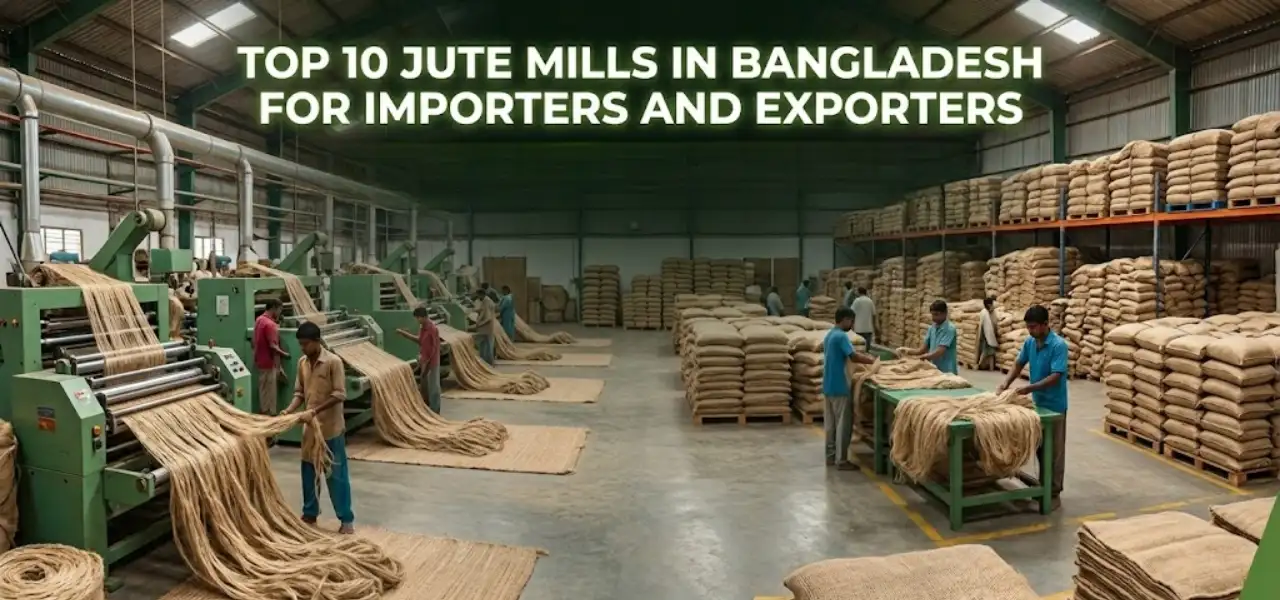
Bangladesh is one of the world’s leading jute-producing and exporting countries, making it a practical sourcing destination for burlap coffee sacks. Buying factory-direct gives wholesale buyers better control over price, specifications, quality, and production schedules.
- Direct manufacturer pricing: Factory-direct sourcing removes trading-company margins and unnecessary intermediaries. This helps importers secure more competitive wholesale prices, especially for full-container and repeat orders.
- Full specification control: Buyers can customize bag capacity, dimensions, GSM, weave, stitching, treatment, printing, and bale packing. Direct communication with the manufacturer reduces specification errors before production begins.
- Reliable access to jute raw materials: Bangladesh has an established supply chain for Tossa and White jute fibers. Local access to raw materials supports stable production and consistent quality for large-volume coffee sack orders.
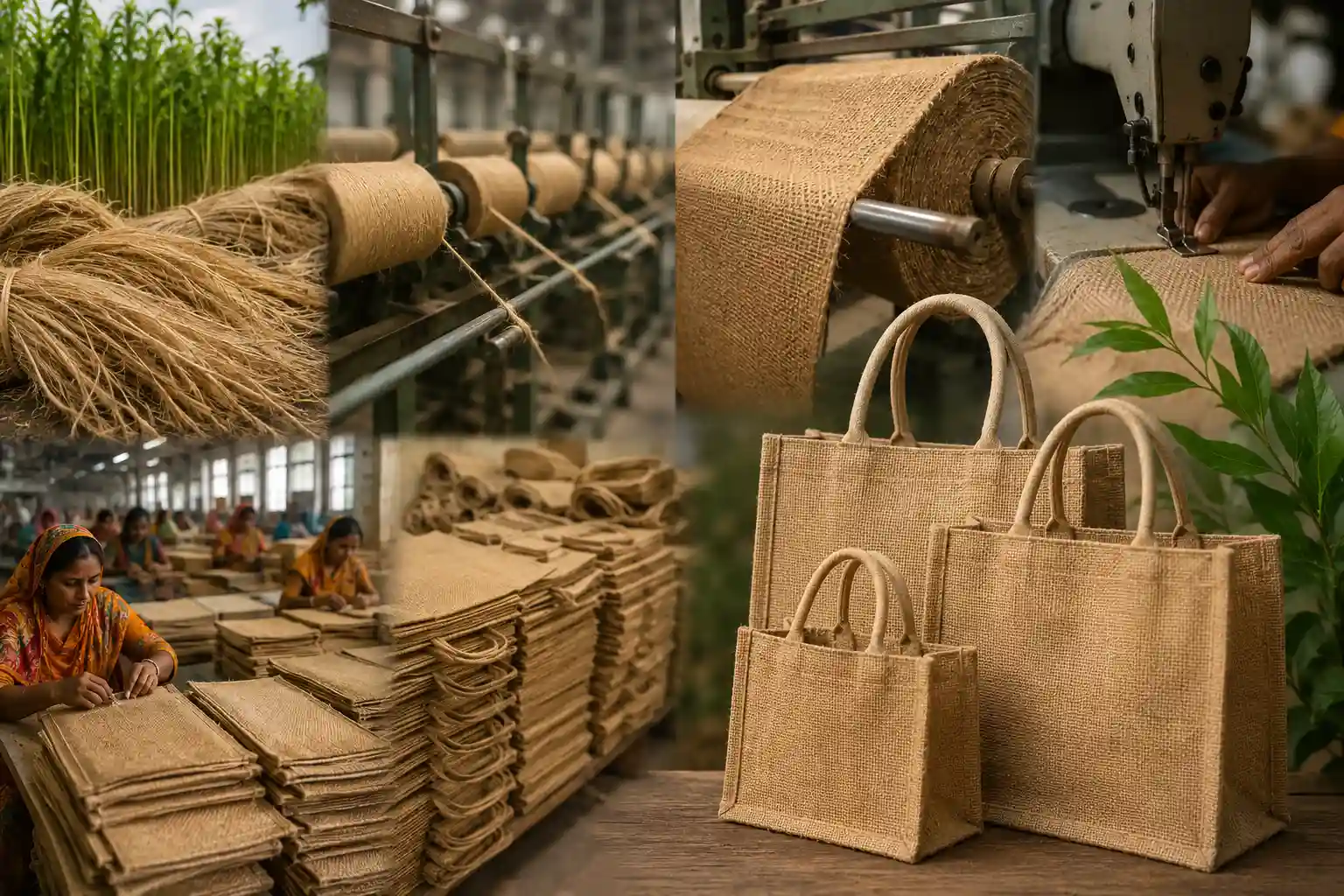
- Structured production and quality control: Production follows a controlled process covering raw jute selection, grading, spinning, weaving, bag making, printing, stitching, and final inspection. This helps keep bag weight, dimensions, strength, and finish consistent across each batch.
- Consistent repeat-order quality: Standardized production planning allows buyers to reorder the same approved specification for future coffee harvest seasons. This is important for exporters and importers that need uniform packaging across multiple shipments.
- Global export experience: Jute For Good supplies wholesalers, importers, and businesses in more than 40 countries, including the USA, Germany, the UK, France, the Netherlands, Brazil, Japan, and West African markets.
- Better communication and order visibility: Working directly with the manufacturer gives buyers faster updates on sampling, production, inspection, documentation, and container loading. This improves coordination and reduces delays during peak harvest periods.
FAQs About Burlap Coffee Bean Sacks
What is the standard weight of a jute bag for green coffee beans?
A standard jute coffee bag holds 60 kg (132 lb) and usually weighs 600 to 900 g when empty. Lightweight hessian bags are often around 650 g, while heavier double-warp bags may weigh up to 900 g.
How much green coffee does a standard burlap sack hold?
A standard burlap coffee sack holds 60 kg (132 lb) of green coffee beans. Colombia commonly uses 70 kg bags, while some coffee-producing origins use 69 kg sacks depending on local trade and export standards.
What size is a 60 kg jute coffee bag?
A standard 60 kg jute coffee bag measures approximately 102 × 71 cm (40 × 28 inches). It is commonly made from 10 oz hessian fabric, although exact dimensions, GSM, and bag weight may vary by supplier and buyer specification.
Why are coffee bags treated with vegetable oil?
Coffee bags are treated with vegetable oil to replace mineral-based batching oils used during jute processing. This helps reduce hydrocarbon contamination, unwanted odor, and residue, making the sacks more suitable for storing and exporting food products such as green coffee beans.
Are burlap coffee sacks reusable or recyclable?
Yes. Burlap coffee sacks can be reused for storage, crafts, gardening, upholstery, and packaging. Because they are made from natural jute fiber, they are also biodegradable and can decompose without leaving plastic microfibers.
What is the minimum order quantity for wholesale coffee sacks?
The standard MOQ is usually one 20-foot full container load, depending on bag size, GSM, treatment, printing, and bale packing. Smaller trial orders may be considered for new buyers, subject to production availability.
How long does production and shipping take?
Production and shipping time depends on order quantity, printing, treatment, inspection, and destination port. Buyers should confirm the production lead time and sea-transit schedule in the quotation before ordering. Jute For Good provides specification-based quotations within 24 hours.
Can I get custom printing on jute coffee bags?
Yes. Jute coffee bags can be printed with logos, exporter names, origin marks, lot numbers, coffee grades, certification marks, and handling instructions. Buyers normally approve a digital artwork mockup and physical sample before bulk production begins.
Get a Wholesale Quote for Burlap Coffee Bean Sacks
Jute For Good manufactures burlap coffee bean sacks to buyer-specified size, GSM, stitching, treatment, and printing, factory-direct from Bangladesh. Share your specifications, quantity, and destination to receive a wholesale quotation within 24 hours. Email export@juteforgood.com or message us on WhatsApp at +880 1711 621 464.